

 Oct 2015


If you remember the 1990s as a time when game criticism wore sober suits and cigar smoke (metaphorical or otherwise) accentuated every pronouncement, then consider this review a dispatch from that era updated to the present. The Talos Principle is not a muscle-bound shooter or a platformer trying to teach you patience; it is a cerebral cathedral of puzzles, philosophy and polite existential dread wrapped in a robot's chassis. Originally launched on PC in late 2014 and brought to PlayStation 4 in October 2015, Croteam's leap from crafting frenetic shooters to composing a thoughtful puzzle odyssey is one of those studio shape-shifts that makes you set the controller down and acknowledge you perhaps underestimated them. The game places you in the shell of an android and hands you 120-plus puzzles as well as a stack of ancient and modern questions about consciousness, free will, and whether a godlike voice named Elohim is merely trying to be helpful or actively messing with you.
Play proceeds like a well-paced magazine feature: measured, precise, often full of delightful asides. You move through three main hubs - verdant gardens, sun-baked deserts and monument-strewn ruins - each interlocking with a central area. The objective is simple and quietly addictive: collect tetromino-shaped "sigils" by solving enclosed puzzles and then assemble those sigils in a tiling puzzle to unlock new doors and systems. On paper it sounds like a tidy brain-teaser, and on screen it becomes something more like a philosophy seminar delivered via marble walkways and laser beams. Croteam demonstrates an admirable discipline in puzzle design. Early rooms teach you the language of the game: jammer units to silence drones and turrets, heavy hexahedrons to climb or block, crystalline refractors to bend light and activate switches, and fans that launch you (or objects) with the kind of joyful physics you used to only dream about in engineering textbooks. Later, the gameplay introduces a device that records a time-clone of your actions - suddenly your own shadow becomes an ally, and you must think in layers rather than steps. The difficulty curve is patient but relentless; you come away feeling smarter than when you arrived, which is always a satisfying kind of hubris. Beyond the mechanical flourishes there is a structural generosity: the world design lets you bail on puzzles that have grown staid and try another, and optional "star" sigils reward lateral thinking and creative solutions. If a problem flummoxes you, the game offers 'messengers' - informal hints from dormant androids - that don't spoon-feed but nudge. Exploration is encouraged; terminals scatter narrative fragments, audio logs and a chatty helper program called Milton that will either be your best friend or your most unreliable encyclopedia, depending on your choices. The Road to Gehenna expansion, included on the PS4 package, adds another layer: you play Uriel, a messenger tasked with freeing trapped AIs, and the expansion introduces moral complexity by forcing choices about who ascends and who remains. Where the game truly excels is in making puzzles feel like part of a larger inquiry rather than isolated riddles. The sigil hunts and assembly sections are not arbitrary collectathons - they are exams administered by an unseen teacher who rewards both ingenuity and defiance. Choices matter: obey Elohim and you risk being recycled; disobey and you might earn transcendence. In practical terms, the playtime varies widely depending on your appetite for completionism, but even a focused run will give you plenty of satisfying head-scratchers and a narrative that sticks with you after the credits roll.
On the PlayStation 4, The Talos Principle looks like someone lovingly remixed classical architecture, pastoral scenery and clean sci‑fi hardware into vistas that insist you stop and let the frame settle. Croteam's Serious Engine 4 renders marble, vines and sunlight with an insistence on clarity rather than photoreal flamboyance. The lighting is especially effective: shafts of sunlight and reflective water do more than please the eye - they help define puzzle space and inform decisions. Textures are crisp enough to read inscriptions on terminals, and the world composition channels a museum curator's restraint; nothing is gratuitous, but nearly everything is carefully placed to suggest a backstory. Performance on PS4 is generally steady. You won't be dazzled by next-gen particle effects here - this is a game that prefers architectural stillness over graphical pyrotechnics - but its aesthetic is coherent and timeless. The soundscape and Damjan Mravunac's score complement the visuals, offering occasional piano motifs that make the more meditative stretches feel almost monastic. For those who have seen the Reawakened remaster buzz in later years, the original PS4 build still holds its own: the core visual identity is intact and the puzzles are what matter most, not a handful of shader bells and whistles.
If the 1990s taught critics anything, it was that a big score should be earned with clarity and conviction; The Talos Principle earns its high marks. It is a rare puzzle game that pairs rigorous level design with a literate, surprisingly humane narrative. Critics and peers agreed at the time - the PS4 edition garnered strong aggregate scores and praise across the board - and it's easy to see why. The Talos Principle invites you to solve intricate mechanical puzzles and then sit with uncomfortable questions about personhood and legacy. It is not for players who want instant gratification or twitch reflex tests; for those who relish being made to think (and laugh at the occasional dry AI barb), it is a triumph. There are minor quibbles: some puzzles can feel fiddly if you insist on a single path to success, and the voice of Elohim occasionally tips from intimidating to a tad heavy-handed. These are small complaints in the shadow of a body of work that is intellectually generous and mechanically tight. On PlayStation 4, with Road to Gehenna included and the game running smoothly, The Talos Principle stands as one of the era's more thoughtful and enduring experiences. Give it time, patience and an open mind - and don't be shocked if a robot convinces you to read a philosophy text or two. That, ultimately, is the game's greatest compliment: it makes you care about ideas and rewards the effort to pursue them.
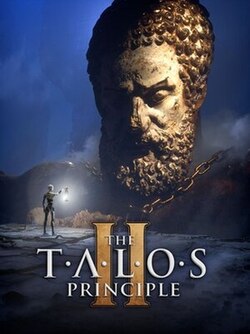 Prey on PS4
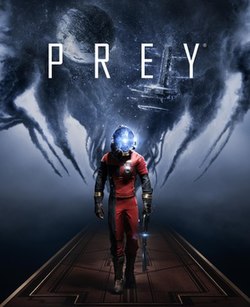 The Talos Principle on Switch
 Puzzle by Nikoli 4: on PS4
 Twinbee Taisen Puzzle Dama on PlayStation
 Tokimeki Memorial: Taisen Puzzle-Dama on PlayStation
 Professor Layton and the Last Specter on DS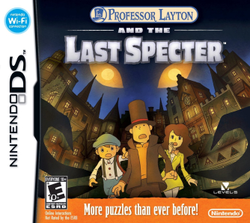
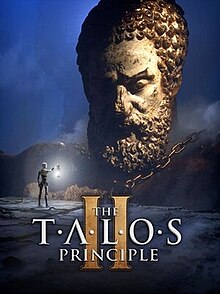 Serious Sam 3: BFE on PS3
 Serious Sam 4 on PS5
 Serious Sam 4 on Xbox Series X/S










 Another SquareThought Site