

 Oct 2014
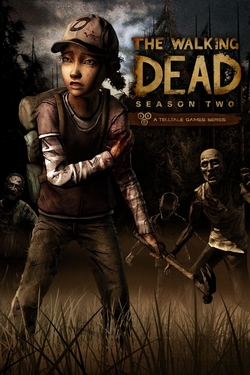

If you enjoyed the first season of The Walking Dead for the gut-punch storytelling and the moral dice-rolls, Season Two hand-delivers that experience with a smaller knife and a lot more attitude. Released episodically between late 2013 and mid-2014 and later ported to PlayStation 4, this Telltale sequel flips the script: instead of being Lee's protective shadow, you play as Clementine - an eleven-year-old who's had to learn more about survival than any child should. It's darker, often sadder, occasionally angrier, and still somehow manages to be funny in the grim, awkward way humans are when they argue over who touched the last can of beans while surrounded by the undead. The season keeps Telltale's signature choice-and-consequence structure, borrows decisions from Season One and the 400 Days DLC, and asks one main question: can a child maintain her innocence when the world is actively trying to take it away?
Season Two sticks very close to the Telltale blueprint. Gameplay is point-and-click adventure with conversation trees, item interaction, and those heartbeat-accelerating quick-time events. Unlike the button-mashing chaos of other action titles, your most important tools here are timing, reading a room, and the ability to pick the right line under a countdown timer - including the noble option of saying nothing at all. The choices matter in that they shape how NPCs treat Clementine later on and occasionally determine who survives to see another episode. The carry-over of saves from Season One and 400 Days is a clever touch; it feels like your narrative hangover follows you into the next room, whether it's guilt, grudges, or a very specific grudge against someone named Kenny. Clementine's perspective changes everything. The camera is often lower to the ground, highlighting her smallness in a very big, terrible world, and the writing leans hard into making you feel the tension of a kid who has to decide who to trust. New characters range from the upbeat Luke to the terrifyingly charismatic William Carver, and the season populates its cast with strong voices - both literally and figuratively. Kenny returns and brings with him a blender of rage and loyalty that will make every decision feel personal. Jane offers a loner's pragmatism that challenges Clementine's developing morality. There are other personalities too: Omid and Christa's heartbreaking fate, Rebecca's pregnancy, Carlos's protective doctor vibe, and Arvo's awkward Russian menace. They all give you someone to like, dislike, or mourn. Action scenes are mostly quick-time events: flail at the right moment and the scene continues; fail and you'll replay it until you don't. This approach keeps the pacing brisk and the stakes immediate, which is exactly what an episodic cliffhanger needs. For players hoping for a sprawling hub world or hours of scavenging, this isn't the right card. Season Two is all about tight scenes, moral pressure, and the emotional fallout that Telltale is now known for. This focus is both a strength and a weakness: the intimate storytelling works wonders for character development, especially for Clementine, but some critics and players have argued that a number of choices feel less impactful than advertised. That said, the verdicts in episodes vary - some chapters land harder than others - and the final episode gives a satisfyingly wrenching set of choices and consequences.
Visually, the game continues the comic-inspired aesthetic Telltale favors: not photorealism, but a stylized palette that emphasizes mood over technical flash. The Telltale Tool engine and artist Derek Sakai's direction give the scenes a slightly cel-shaded, illustrated look that pairs well with the source material. On PS4 the port runs well and benefits from steadier frame rates and crisper textures compared to older console versions, though you won't be fooled into thinking this is a next-gen graphics showcase. Lighting, facial expressions, and close-ups do most of the heavy lifting for emotional beats: a well-timed close-up and a twitchy eyebrow communicate more than an hour of cutscenes would in other games. The soundtrack by Jared Emerson-Johnson also deserves a mention; it's subtle, award-nominated, and perfectly suited to the series' melancholy atmosphere. Where the visuals occasionally falter is in some stiff animations and the occasional lack of environmental polish, reminders that Telltale prioritized narrative and performance capture over graphical fireworks.
The Walking Dead: Season Two is a thoughtful, often brutal continuation of Clementine's story. It's less of a technical marvel and more of an emotional pressure cooker. When it works, it crushes you with quiet moments - a child's defiance, a friend's slow collapse into rage, or the weary acceptance of loss. When it doesn't, you notice clunky writing beats, a few cheap character deaths, and some choices that don't feel as seismic as marketing promised. Overall, the season was well-received for its atmosphere, character work, and tension, even if some felt it wasn't quite as flawless as the original. If you want a narrative-driven game on PS4 where most of the fun is arguing with other survivors about moral philosophy and canned goods, this is your jam. If you're after open-world scavenging or high-octane gameplay, look elsewhere. Score-wise, Season Two lands at a solid 8/10: it's a must-play for fans of the series and anyone who enjoys emotionally driven interactive stories, and it cements Clementine as one of the most memorable protagonists in modern adventure gaming.
 Unravel Two on Switch
 Unravel Two on PS4
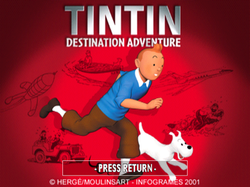
 Tintin: Destination Adventure on PlayStation
 One Piece Grand Adventure on PS2
 Taiko no Tatsujin: Dokodon! Mystery Adventure on Switch
 Taiko no Tatsujin: Don to Katsu no Jikū Daibōken on Switch
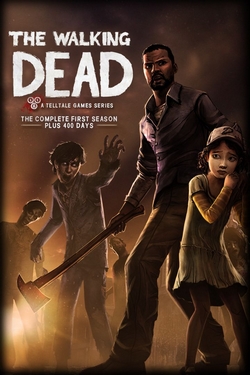 The Walking Dead on PS3
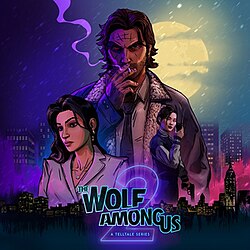
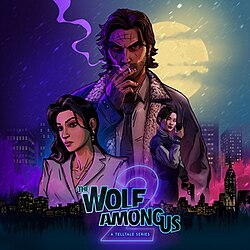
 The Wolf Among Us 2 on PS5
 The Wolf Among Us 2 on Xbox Series X/S
 Sam & Max Save the World Remastered on PS4
 Sam & Max: The Devil's Playhouse Remastered on PS4










 Another SquareThought Site