

 Dec 2015
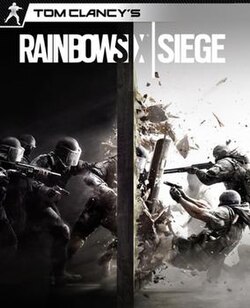

Tom Clancy's Rainbow Six Siege is the game that pretends it's only about breaching and shooting, but actually runs a decade-long serialized drama with more plot twists than a season of your favourite streaming binge. On PS4 it delivers the tense, 5v5 tactical multiplayer that Ubisoft Montreal set out to make: no single-player campaign, just a skeleton of situations and a living globetrotting cast of operators whose backstories and grudges slowly unfurl in seasonal updates. If you expected a Hollywood campaign, you get something better (or weirder): characters whose personalities bleed into their gadgets, factions that argue like rival high school clubs, and an in-game universe that grows via Years 1-10. For players who enjoy learning who a character is by the way they place a shield or plant a drone, Siege reads like a gripping TV show you play instead of watch.
Rainbow Six Siege's gameplay loop is deceptively simple: attacker versus defender in tight-objective maps, a 45-second prep phase where drones and barricades set up the chessboard, then three minutes of high-stakes cat-and-mouse. But the reason Siege feels like more than another shooter is its operators - the human faces and whispered dossiers behind every gadget - and the long-form arcs Ubisoft stitched into the seasons. At the narrative core sits Aurelia "Six" Arnot, the former director who reactivates Team Rainbow. She functions like a shepherd to the cast: authoritative, composed, and very good at telling strangers to stop blowing up her base. Her elevation to Secretary of State and replacement by Harishva "Harry" Pandey shows Siege's willingness to let leadership change the rules mid-season. Harry's "Program" - a worldwide training regimen and the tournament spectacle - literally turns gameplay into lore: the in-universe tournaments echo the developer's real-world push toward esports, and they justify seasonal additions and the increasing roster of operatives. Operators are written into their kits. Eliza "Ash" Cohen is a sprinting, glass-breaking entry fragger whose arc from reckless operative to coma-survivor (and eventual return) mirrors her kit's trade-off: speed and aggression at the cost of finesse. Jaimini "Kali" Shah, the founder of the private military company Nighthaven, embodies the antagonist-with-a-point trope; her heavy-hitting weapons and controversial tactics narratively clash with Rainbow's doctrine and create a believable schism that explains why some operators are guinea pigs and others are veterans. Then there's Grace "Dokkaebi" Nam, the hacker whose in-lore abduction and intelligence expertise are reflected in her ability to wreak havoc on enemy electronics. When a character's birthday, origin story and arcs matter enough that Ubisoft has to change details after fan outcry, you know people care. The series' rogue-turned-villain plotline - Gerald Morris revealed as "Deimos" - is the franchise being bold: a betrayal from within, a classic Rainbow Six theme updated into personal vendetta drama. It gives purpose to operations like the assaults on Hereford Base and gives defenders something more than just a respawn-free death sentence. Mechanically, the asymmetrical operator design means narrative and gameplay are married. Mira's one-way black mirrors read like a haunted-window backstory: control the sightline, control the tempo. Gustave "Doc" Kateb and Julien "Rook" Nizan are the team's emotional scaffolding - heal and armor - and their abilities force teammates into roles that echo their personalities: Doc as the medic who won't let you die lightly, Rook as the stoic supplier of bite-proof plates. Taina "Caveira" Pereira's stealth and interrogation mechanics feel like a character study in psychological warfare, rewarding patience, intimidation and map knowledge. Siege's refusal to include respawns is part of the storytelling: every round has stakes because operators represent lives and expertise, not interchangeable pixels. The game's RealBlast/destruction system underpins much of the drama - walls, floors and ceilings react differently depending on material, which creates emergent moments that read like micro-narratives: a Mira mirror revealing a terrified hostage, an Ash breach that upends an entire team's plan. Verticality and gadget variety turn each operator into an author of improvisation. You don't just play a role; you rewrite the scene. Progression and unlocking are where the game gets political. Renown and R6 Credits exist so you can buy characters and cosmetics, which sometimes clashes with the narrative thrill of having an iconic operator available only after a grind - it can feel like making viewers pay to meet their favourite actor. Ubisoft largely resisted pay-to-win by keeping operators unlockable with in-game currency, but the slow grind and microtransaction dressing room drew criticism. Post-launch, the seasons fleshed out the cast and toggled the balance between story development and gameplay innovation - introducing new characters like Clash and IQ expanded not just kits but interpersonal dynamics, alliances and grudges. Finally, despite the lack of a traditional campaign, Siege's "Situations", Training Grounds and the long web of seasonal lore act as small vignettes and episodic content. The approach of letting the community inhabit the plot via esports and seasonal reveals has been wildly successful: operators have arcs, factions have motives, and you the player are both audience and participant.
Siege on PS4 is the nicest example of 'this engine can take a beating - literally.' Built on AnvilNext 2.0 with Ubisoft's RealBlast destruction tech, environments decompose with satisfying physics rather than cartoon confetti. The team used a materials-based tearing system and physically based rendering to give different surfaces believable reactions when shot, blown or slammed with a breach charge. On PS4 you'll see well-crafted textures and convincing particle effects during breaches; it's not photoreal next-gen eye candy, but the visual clarity matters more than flash - in a game about sightlines, readability is king. The 'living hostage' animations are a small but telling example of attention to detail: hostages cough, flinch and shield themselves, which humanizes objectives and raises the stakes. Audio also plays into the graphics of tension: Ubisoft's Navigation Sounds and the more restrained, diegetic approach to music make every creak and gadget beep part of the storytelling. Paul Haslinger and Ben Frost's scores do their work quietly in the background, letting player-made moments be the spectacle. Occasional framerate inconsistencies and the old-gen PS4 limits show (Terrorist Hunt ran at 30fps in places and older hardware sometimes struggles), but the art direction and destruction fidelity keep Siege feeling modern and tense.
If you want a narrative driven by cutscenes and epic monologues, Siege will mildly disappoint - it deliberately gives that space to the players and seasons instead. What it does well is transform what could have been a bland roster into a cast with grudges, growth, and public scandals. Aurelia "Six" Arnot's stewardship, Harry Pandey's tournaments, Ash and Kali's rivalry, Deimos' betrayal, and Dokkaebi's abduction are all serialized events that give your 5v5 rounds emotional context. The marriage of operator lore with unique gadgets makes each pick feel like a character choice, not just a tactical stat. On PS4, Siege is a tense, rewarding multiplayer experience that ages through updates rather than a single release. Its biggest faults are the initial sting of a launch with limited content plus a progression system that can feel slow if you want every operator yesterday. Ubisoft's long-term support turned a shaky debut into a decade-long soap full of memorable operatives, esports drama, and community moments that matter. Play it for the tight tactical gameplay, stay for the characters - you'll come for the breaching, and you'll stay because you're emotionally invested in whether that one operator finally gets revenge. Verdict: an excellent, evolving tactical shooter that earns its place in the PS4 hall of fame - and in the surprisingly addictive serialized drama of operator arcs.
 Tom Clancy's Rainbow Six Siege on Xbox Series X/S
 Tom Clancy's Rainbow Six: Vegas on PS3
 PixelJunk Shooter 2 on PS3
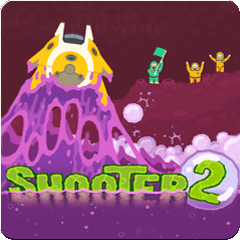 Conflict: Global Terror on PS2
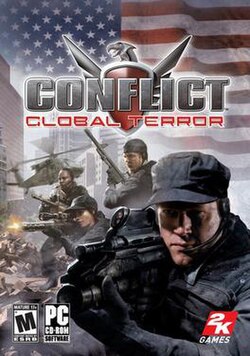 Raid: World War II on PS4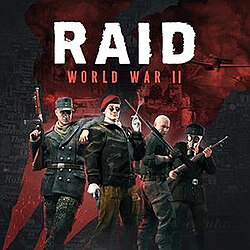
 Prince of Persia: The Sands of Time on PS3
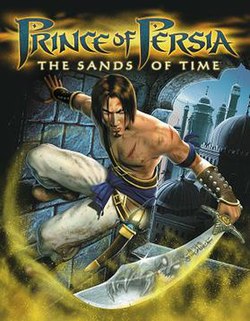 Assassin's Creed: Brotherhood on PS3
 Assassin's Creed II on PS3
 Far Cry 3 Classic on PS4
 Assassin's Creed: Origins on PS4










 Another SquareThought Site