

 May 2016
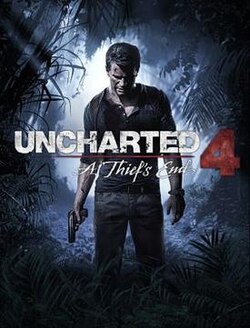

Uncharted 4: A Thief's End is the cinematic, battered-hat finale to Nathan Drake's treasure-hunting career - and on PS4 it looks like someone painted a blockbuster with photorealism and then polished it until the reflections judged you. But this review isn't here to hold up the art book; it's here to talk about what actually makes the game bite back when you try to play it like an invincible action star. If you came for non-stop pyrotechnics, you'll get those too, but the real challenge in Uncharted 4 lives in juggling a toolkit of skills: platforming finesse, stealth patience, tactical positioning, and the slow, awkward poetry of a well-timed parry. The game rewards thinking as much as trigger discipline. It's like Indiana Jones and a parkour instructor had a baby, taught it to snipe, and then gave it a grappling hook.
Uncharted 4 wears many hats: it's an action-adventure at heart, but its sleeves are full of platforming, stealth and shooter elements that all demand slightly different muscles from the player. Traversal is the first set-piece where the game tests you. Naughty Dog expanded the playable spaces substantially compared to earlier entries, trading tight corridors for "wide-linear" arenas where multiple routes, vantage points and vertical tiers are the norm. That sounds like freedom - and it is - but freedom equals decision-making. You have to judge ledges, time swings with the grappling hook, and chain climbs without falling into a waterfall of bullets. The grappling hook is not a show-off toy; it is a mobility multiplier. Use it to cross gaps, gain tactical height, or set up a surprise flank in combat. Mastering momentum and understanding where you can and cannot land becomes part of the skillset. Stealth in Uncharted 4 is a deliberate, rewarding system rather than a tacked-on afterthought. Tall grass, shadows, and architectural blind spots create opportunities for silent takedowns. The AI reacts believably: enemies communicate, flank, and investigate disturbances. That means a sloppy stealth approach - noisy movement, careless shotgun blasts - will quickly devolve into firefights where the enemies coordinate against you. Stealth success requires patience, map-reading, and timing. You need to use distractions, understand patrol patterns, and commit to ambushing from advantageous positions. The game gives you tools (silenced pistols, stealth takedowns, choke spots) but expects you to think like a thief: observe, plan, execute. When stealth fails (and it will, gloriously and often), combat becomes a blend of third-person shooting and close-quarters improvisation. The weapon roster is familiar - pistols, rifles, shotguns, explosives - but the challenge is how you use them within larger, more interconnected arenas. Cover is flexible and destructible; enemies attempt to swarm and flank. The grappling hook suddenly becomes a combat gadget: leap over enemies to close distance, or snap to a higher perch to take risky headshots. Melee combat was reworked to remove quick-time events and instead emphasize positioning and timing. That means punches and grapples feel weighty and satisfying, but also occasionally risky - a badly timed lunge in a crowd will cost you. The game nudges you to mix ranged suppression, companion-led diversions, and opportunistic melee. Puzzle-solving is another skill-check that frequently breaks up action. Puzzles in Uncharted 4 are typically environmental: rotate mechanisms, line up vistas, or make sense of ancient architecture. These are rarely isolating brainteasers; instead, they sit inside gorgeous levels and demand spatial reasoning under pacing constraints. The trick is not only spotting the solution but doing so while under narrative pressure - enemies may return, or a collapsing temple may force you to think quickly. That combination of observation and time-pressure is the subtle difficulty curve here. Driving and vehicle sequences show up at a few points. They're less about twitch racing and more about situational awareness: navigating terrain, choosing routes that set up combat advantages, and avoiding environmental hazards. Similarly, the game's "wide-linear" design means the player faces strategic choices: take the stealthy side-path to thin numbers, or charge the open plaza and rely on reflexes. Both approaches are viable, but both require different mental models. On the multiplayer side (if you choose to dip a toe in), the challenge shifts to reading players rather than AI. Modes like Command, Plunder and Trials promote teamwork, map control, and the creative use of "Mysticals"-supernatural power-ups that can swing engagements. Sidekicks (AI allies) can be deployed in matches and they change how skirmishes play out. Multiplayer is approachable but rewarding for those who can adapt loadouts and tactics on the fly. Across all modes, Uncharted 4 is not a punishment-based "hardcore" game, but it is picky: it cares about your choices. The toughest moments aren't cheap difficulty spikes; they're designed scenarios where the game hands you an environment and a handful of tools and watches whether you can think like Nate. If you like being forced to switch from stealth to full-on chaos mid-encounter, or from platforming precision to a tense sniper duel, this is the game that keeps you honest.
Graphically, Uncharted 4 is the PS4 flexing its digital pecs. Naughty Dog built the game specifically for the PS4 and used that horsepower to craft huge, dynamic environments with texture detail and facial animation that sell emotion in close-ups. Technical flourishes - higher texture resolutions, physically-based shading, and a face rig complexity that goes into the hundreds of bones - aren't just for show. They inform gameplay: shadows and foliage conceal foes for stealth, sound and weather affect visibility in traversal, and the fidelity of cinematics tightens the narrative stakes so failure actually feels like you messed up a real heist. Single-player runs at 30 FPS for cinematic stability while multiplayer runs at a snappier 60 FPS for responsive combat. The environmental variety also serves gameplay challenges: slippery ruins, dense jungles, and ruined towns each require different movement and combat tactics. In short: it looks fantastic, and those visuals are integral to the challenges the game asks you to solve.
If you want a sandbox of strict looseness - large spaces that still funnel you through a story - plus a constant requirement to switch skills like an overqualified adventurer, Uncharted 4 delivers. The game rarely relies on artificial difficulty; instead, it layers mechanics so that every encounter is a test of your toolkit: parkour timing, stealth patience, tactical shooting and environmental problem-solving. It's forgiving if you learn, ruthless if you repeat the same dumb stunt, and deeply satisfying when you pull off a plan that turns an impossible-looking scenario into a cinematic victory. For players who love being challenged in ways that reward thought as much as reflexes, this is one of the finest modern action-adventure experiences on PS4. And yes-if you still wanted to run-and-gun like it's 2009, the game will let you try. It will also lovingly remind you why that was a terrible idea.
 The End Is Nigh on PS4
 Exile's End on PS4
 The End Is Nigh on Switch
 Tintin: Destination Adventure on PlayStation
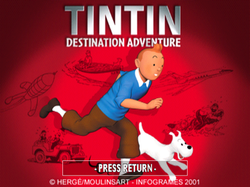 Disney's Chicken Little: Ace in Action on PS2
 Pirates: The Legend of Black Kat on PS2
 One Piece Grand Adventure on PS2
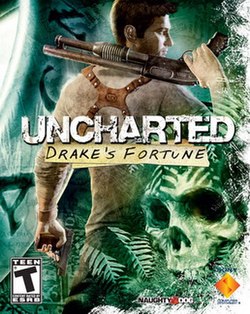 Uncharted 3: Drake's Deception on PS3
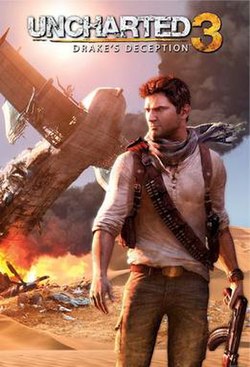 Uncharted 2: Among Thieves on PS3
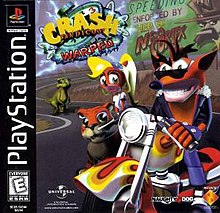
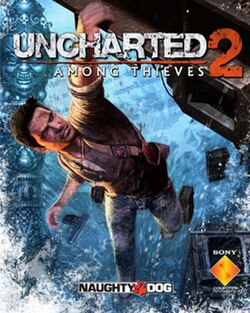 Crash Bandicoot: Warped on PlayStation
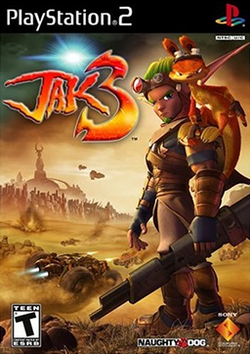
 Jak 3 HD on PS3
 Jak II HD on PS3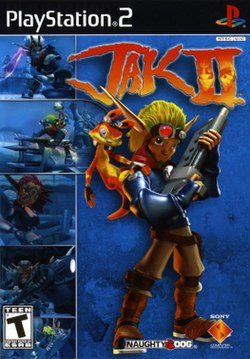










 Another SquareThought Site