

 Jun 2018


Vampyr greets you like a polite corpse at a Victorian soiree: damp, eloquent, and quietly intent on your blood. Dontnod's 1918 London is less 'open world' and more a chain of atmospheric hubs where fog, coughing citizens and moral choices cling to your coat like mildew. You play Dr. Jonathan Reid, a physician who wakes up in a mass grave and then immediately fails the 'do no harm' clause by accidentally killing his sister. That rough opening sets the tone for a game that wants to be both an intimate character study and a gothic morality puzzle. The central tension-Reid's Hippocratic oath vs his vampiric hunger-is handled with real narrative ambition. Characters around him are not wallpaper; they have routines, secrets, and schedules, and the game asks you to learn them, weigh them, and occasionally feed on them. It is a weirdly tender vampire story: equal parts throat-rip and bedside manner.
At heart Vampyr is a juggling act of blood and conscience. The mechanical scaffolding is straightforward: a third-person action-RPG with a skill tree, crafting, improvised weapons like a saw, and a Webley revolver. But the emotional scaffolding is where the game tries to outsmart you. Every citizen-sixty of them in London-has a backstory, routines, and relationships. You can study them, follow their habits, and discover clues about their lives or deaths. Feed on a target and Reid gains experience points; investigate them and you can also earn XP. This dual progression system forces a constant moral calculus: level up by becoming a monster, or stay under-leveled and cling to your humanity. The Mesmerise ability exemplifies the design philosophy-it's a narrative-mechanical tool. You can coerce weaker NPCs to cough up secrets or to walk into a secluded corner so you can feed without drawing a fight. It's less about stealth minigames and more about social engineering. Feeding mechanics also interact with crafting: patients you heal yield better returns when fed upon, so the game makes you complicit in a perverse economy of care. Each of the four districts has a health score influenced by your actions, which translates into branching consequences and multiple endings. Those endings, determined in part by how many civilians you 'embrace' (turn into vampires) or kill, push the story from redemption to damnation: embrace fewer than five and you might still seek a cure with Lady Ashbury; embrace more than ten and Reid's eyes go full crimson and your compassion withers. Combat is serviceable but flawed. You get three-hit combos, dodge rolls, parries, and vampiric powers-blood spears, mist bombs, invisibility, and adaptations like Vulkod claws. Boss battles occur, some mandatory, and enemies are varied: aristocratic Ekon, sewer-dwelling Skals, mutant Vulkod, vampire-hunting Nemrod, and the human Guard of Priwen. The problem is the fight feel: it's functional but rarely thrilling, often criticized for being imprecise and repetitive. Using vampiric abilities drains the blood bar, forcing you back to the game's central addiction loop of hunting. That loop is clever in theory-the pressure to feed ensures the narrative tension never lets you relax-but in practice it sometimes clashes with level design and pacing. When you want to be a detective the game obliges with documents, schedules, and voice-driven interactions; when it wants you to be a predator it shifts to a less polished action system. Choices matter here in a way few RPGs attempt. Dontnod limited saves to a single slot; that design decision was explicitly to make choices feel irrevocable and weighty. The result is a satisfying nervousness when you approach a hobnobbing clerk or a coughing street vendor. Do you charm and Circle of Life them, or do you postpone gratification and solve the district's plague through medicine? The narrative scaffolding supports both playstyles, and the character work is what sells it. Voice acting and writing give even minor NPCs enough humanity that choosing to drain them becomes morally awkward rather than merely transactional. When the game works, you genuinely feel the weight of Reid's dual identity.
Vampyr's aesthetic is one of its loudest strengths. Dontnod researched London-photographs, history books, and period medical shows informed a photorealistic lighting approach on Unreal Engine 4. The result is a gloomy, rain-streaked metropolis that smells of soot and bad tea. Art references like the paintings of Phil Hale gave the visuals a painterly mood, while instruments like cello and cimbalom in the soundtrack underscored the period flavor. Technically, the game is a mixed bag. Motion capture lends character animations a baseline of realism, and Olivier Deriviere's industrial-tinged score elevates quiet scenes into operatic dread. Where the visuals stumble is in execution: lip-sync and some character animations were widely criticized as 'wonky' and occasionally uncanny. Loading times and frame drops were frequent complaints on release, and PS4 performance could feel choppy in busier areas. These issues didn't ruin the atmosphere-London remains haunting and well-realized-but they pulled the player out of moments that otherwise would land. The polish varies: environments and lighting are often exquisite; NPC faces and movement sometimes betray the game's budget and engine compromises.
If Vampyr were a person it would be the sort of friend who writes you a long, meaningful letter about trauma and choices, then shows up at your door with a steak knife. The game is ambitious in its aim to weave an ethical game loop into a gothic character study. Jonathan Reid's arc-soldiering in the Great War, waking as a vampire, accidentally killing his sister, hearing the pernicious voice of his maker, and confronting forces like Morrigan and Myrddin-gains gravity because the supporting cast are not cardboard. Lady Ashbury is a tragic foil, William Marshal a confessor of monstrous sins, and figures like Edgar Swansea complicate the clean binary of good doctor vs evil vampire. The endings, which shift dramatically depending on how many civilians you embraced, underline the central thesis: every level gained on a corpse costs you a piece of story and soul. The game is not flawless. Combat and technical roughness keeps Vampyr from being a masterpiece, and pacing occasionally frays in the final act. Yet when it leans into characters-when Reid's inner voice argues with his bedside instincts, when a minor beggar reveals a hidden grief-the game is quietly brilliant. For players who love story-first RPGs with meaningful moral friction and a taste for gothic gloom, Vampyr on PS4 is a commendable, sometimes frustrating, but ultimately thoughtful experience. Think of it as an emotional bloodletting: messy, a little painful, but oddly cleansing.
 Counter Terrorist Special Forces: Fire for Effect on PS2
 Combat Elite: WWII Paratroopers on PS2
 Onimusha: Dawn of Dreams on PS2
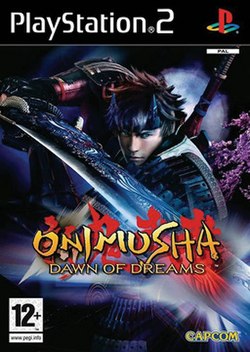 Disney's Chicken Little: Ace in Action on PS2
 Tokyo Xanadu eX+ on PS4
 Twin Mirror on PS4
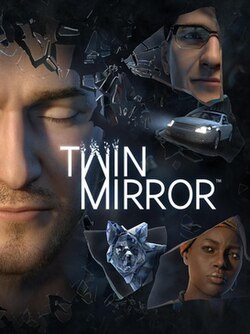 Remember Me on PS3










 Another SquareThought Site