

 Feb 2021
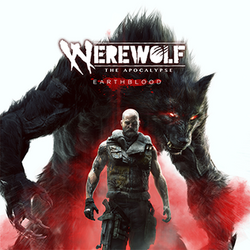

Imagine being an eco-warrior with fur, teeth, and a questionable haircut when you transform. That's Werewolf: The Apocalypse - Earthblood in a nutshell. Cyanide took White Wolf Publishing's grim and gnarly tabletop setting and tried to mash it into an action RPG for consoles, with Cahal - a guilt-riddled Fianna werewolf - as your angry, shapeshifting protagonist. On PS4 the game arrives with some fun ideas: three distinct forms (man, wolf, and big furry rage-monster), a theme about environmental devastation, and a morality meter that's basically a temperament bar for punching things until the narrative gets uncomfortable. The result is a game that has moments where it behaves like a feral poetry slam and other moments where it's just a bit too fond of replaying the same stealth corridor for the 47th time.
The core conceit here is glorious in theory and somewhat spotty in execution: Cahal can be human, wolf, or werewolf, and each form comes with its own mini-game. Human Cahal is your social cloak - he talks to people, fiddles with terminals, and generally pretends he's not a creature of the wild with a history of accidentally murdering coworkers. Wolf Cahal is nimble and sneaky, great for sniffing out routes, squeezing through vents, and prowling like a furtive carpet with teeth. Werewolf Cahal is where the gloves come off: huge swings, visceral takedowns, and a combat loop that enjoys being button-mashy but satisfying in short bursts. The game is structured around hub worlds in the American Northwest. You run missions in these zones, unlock secondary objectives, and can dip into Penumbra - a spiritual hub where an entity called the Great Spirit of the Waterfall dishes out quests and rewards. It's a neat layering: physical infiltration missions punctuated by spectral downtime. The skill tree lets you funnel Cahal into archetypes that favor different strengths and weaknesses, so you can prioritize stealth, brute force, or spiritual powers drawn from nature. There's a rage mechanic that is arguably the most interesting part of the design. It fills as you learn about pollution and corporate skullduggery, and if you let it overflow you enter a frenzy mode: you become stronger but also stupider and indiscriminately violent. The game frames this as a moral question - when do you let the rage out and sacrifice nuance for power? - which is intriguing on paper. In practice it mostly means either stealth sections where you tiptoe like a very theatrical raccoon, or beat-'em-up arenas where the camera occasionally questions its life choices. Stealth and combat feel like they were designed by siblings who agree on family dinner but disagree on dessert. Stealth can be legitimately fun - crawling through ducts, using wolf senses to mark enemies, performing satisfying stealth kills. But mission variety suffers; several reviewers noted that many objectives blend into a repetitive loop of 'sneak in, sneak out, rinse, repeat.' The werewolf fights have punchy, entertaining moments (PC Gamer was right to call them addictive), though enemy AI sometimes behaves like it missed orientation day at dog school. There are also choices at the end of the story - revenge or rescue - which give the narrative a little agency, even if the overall story beats are a little blunt. Narrative-wise, Earthblood swings for emotion: family, guilt, betrayal, and corporate eco-villainy led by the oily Richard Wadkins and his Endron/Pentex overlords. The plot throws tragedies at Cahal like confetti (including betrayals and an ending that forces some heavy decisions), but character work is mixed. Some voice and relationship moments land, while others feel paper-thin. If you love atmosphere and themes about nature's wrath, you'll appreciate the ambition; if you want layered, subtle character arcs you might find the cast a little flat.
Running on Unreal Engine 4, Earthblood looks fine in wide shots and can deliver some moody, atmospheric vistas of the Pacific Northwest: misty trees, murky industrial sites, and the occasional oil-slicked sunset that screams 'murdered ecosystem.' Up close, however, the graphic fidelity is inconsistent. Character models and some environments lack polish; a few faces sit in that uncanny valley where they're almost a human but also slightly offended to be mistaken for one. PCGamesN and others flagged low-quality character models and repetitive music loops, and that's fair: background music can feel like it hit the repeat button on emotional distress. Combat animations and werewolf transformations are a highlight. When Cahal goes full beast, the visuals sell the power - big claws, ragged teeth, and crunchy sound design give weight to each swing. The wolf form has charming animations for sneaking and sniffing, though the camera can occasionally be overzealous and make stealth platforming more frustrating than it needs to be. Frame rate and load times on PS4 are generally acceptable, but technical niggles and texture pop-in crop up now and then, reminding you this isn't a next-gen facelift but a solid last-gen effort with ambitions.
Werewolf: The Apocalypse - Earthblood is a game of two halves: inspired, thematic ideas and a werewolf combat loop that can hit with surprising joy, balanced against repetitive missions, uneven storytelling, and some rough visual moments. If you show up for the premise - a werewolf eco-terrorist grappling with rage and corporate doom - you'll find stuff to love: transformation mechanics, the rage moral question, and frenetic werewolf brawls. If you demand a meticulously crafted stealth-experience or deep, three-dimensional characters, you'll likely leave feeling like you were promised dinner and got a very dramatic sandwich. On PS4 the game got mixed-to-unfavorable scores from many critics, and the Metacritic number for PS4 reflects that wobble. My take lands in the middle: Earthblood is worth a rent or sale-bin curiosity if you like beating things up as a giant furry vigilante and don't mind repeating a few sneaky corridors. For fans of the tabletop lore, it's a sentimental and occasionally thrilling trip; for everyone else, it's a flawed but occasionally howl-worthy experience. Score: 5/10 - a game with a ferocious heart that sometimes forgets where it put its keys.
 Werewolf: The Apocalypse – Earthblood on Xbox Series X/S
 Dead Nation: Apocalypse Edition on PS4
 Combat Elite: WWII Paratroopers on PS2
 Onimusha: Dawn of Dreams on PS2
 Disney's Chicken Little: Ace in Action on PS2
 Tokyo Xanadu eX+ on PS4
 Styx: Shards of Darkness on PS4
 Styx: Master of Shadows on PS4
 Call of Cthulhu: The Official Video Game on PS4
 Call of Cthulhu: The Official Video Game on Switch
 Of Orcs and Men on PS3










 Another SquareThought Site