



Twisted Metal is the video game equivalent of a punk rock Christmas pageant: loud, violent, a little bit tasteless, and oddly compelling. Set in a ruined Los Angeles on Christmas Eve 2005, it ropes a dozen drivers into a kill-or-be-killed road rally run by a subterranean impresario named Calypso. You drive armored cars, you collect missiles and oil slicks, you blow up other vehicles, and if you survive you get a wish. The setup is deliciously simple - a last-one-standing contest where the prize is narrative certainty - but the real meat is in the cast. This review looks at Twisted Metal through the one lens the game secretly cares about: character. Yes, it's a vehicular brawl, but the personalities are the engine that keeps the carnage feeling like a story rather than just chaos.
Underneath the carnage, Twisted Metal is an efficiently designed arcade experience. You pick one of twelve unique vehicles, each with its own handling quirks and weapon package, and you fight through six arenas that scale up from cramped arenas to rooftop skirmishes across the city. Basic controls are old-school PlayStation: accelerate, steer, brake, reverse and turbo, with mounted machine guns that never run out of ammo but can overheat. The strategy comes from juggling your machine gun bursts with a stash of pickups - missiles, mines, spikes, oil slicks - and managing health stations that refill your vehicle's vitality. The single-player campaign is short: six levels culminating in a boss fight with Minion. The challenge is tuned so that even a modestly competent player can finish the solo run in a few hours. The real longevity blooms in Duel Mode - two-player split-screen mayhem - which is where Twisted Metal learns to be spiteful, hilarious, and sociable. Vehicle differentiation matters: some cars are fast and fragile, others are slow and tanky, and that variety forces players to pick a playstyle and commit to it. You begin with three lives, lose a life when your health bar is drained, and the levels are laid out to reward aggressive play and opportunistic pickups. The minimal HUD keeps the focus on explosions and wrecks, though the radar can be difficult to read when things get hectic. What makes the gameplay sing in the context of character analysis is how each vehicle acts as an avatar for a backstory. When you drive Sweet Tooth's ice-cream truck or a professional assassin's ride, your playstyle starts to feel like a narrative choice - not because the levels change, but because your imagination fills in the gaps. The mechanics are intentionally straightforward so the personalities of the drivers become the real modifiers on how you choose to fight.
For a mid-'90s PlayStation title, Twisted Metal looks like it wrestled the console into submission and then used the sweat to texture every explosion. The environments are blocky and the texture maps are simple, but that barebones approach lets the action run at a blistering pace. Critics at the time noted heavy breakup (pop-in and sprite/texture artifacts) and a static arena crowd that sometimes reads as mannequin-level background decoration. Music is functional - background thump rather than character leitmotifs - and some reviewers called it "weak overall." The radar can be hard to parse in the chaos, which occasionally turns a tactical situation into blind luck. Where the graphics actually earn their keep is in character presentation. The game leans on exaggerated silhouettes and signature vehicles - the ice cream truck, a hulking armored car, a sleek assassin ride - so even with limited polygons each driver reads instantly. The live-action endings the team filmed (but initially withheld for being too offensive) and the absurdity of the character portraits helped Twisted Metal sell the idea that this isn't just vehicular combat: it's a macabre pageant of damaged people and their obsessions. The visuals don't pretend to be photorealistic; they double down on being iconic.
Twisted Metal's story is less a linear plot and more a roomful of monologues performed in bumper-to-bumper combat. Calypso is the perfect unreliable narrator of destruction: a subterranean puppetmaster who dangles the promise of a wish like a moral test no one asked for. His arc, if you can call it that, is one of delicious amorality - the contest exists because he enjoys shaping desperate choices. The contestants are a parade of archetypes - assassins, mercenaries, vigilantes, social misfits and joyriders - who turn their backstories into playstyle. Needles Kane, better known as Sweet Tooth, embodies the franchise's trademark blend of carnival imagery and psychosis: his ice-cream truck is both commercial nostalgia and a murder machine, and playing him feels like letting a horror-comic protagonist run loose on the freeway. Minion, as the final boss, plays the role of narrative roadblock; defeating him is less about uncovering secrets and more about earning the hollow trophy of survival. The game's brevity in single-player is its most honest flaw: you can reach the final rooftop fight in a couple hours, which left contemporary reviewers grumbling. Yet Twisted Metal has aging tricks that a lot of 'classics' don't: it rewards imagination. The canned endings and the contest framework encourage you to invent motives and afterlives for the drivers; that's where the game becomes a story machine. It also established a template for character-driven mayhem in games that followed and sold over a million copies in North America alone - a commercial crown that proved the world wanted to drive the weirdest ice cream truck possible. If you're playing it today, treat the single-player like a punchy short story and the Duel Mode like an improvised stage play for two people with napalm. If you care about character arcs, Twisted Metal gives you the bones and leaves you to dress them in blood, regret, or questionable holiday cheer. It's loud, limited, often crude, and absolutely sincere about being fun. That's worth a solid eight out of ten: an essential artifact for anyone who likes games that feel like they were made by people who were equal parts caffeinated and mischievous, and who believed that the darkest wish-granting impresario should probably live under the freeway.
 Twisted Metal on PS3
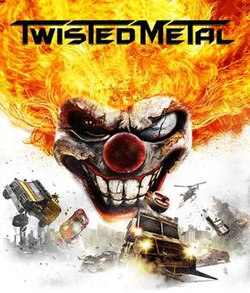 Twisted Metal: Small Brawl on PlayStation
 Project Awakening on PS4
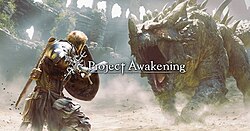 Combat Elite: WWII Paratroopers on PS2
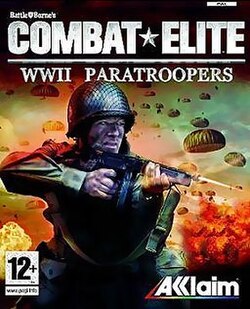 Orphen: Scion of Sorcery on PS2
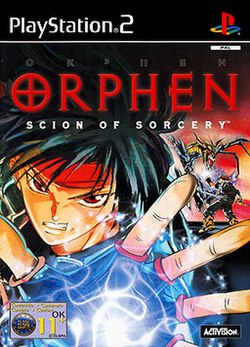 Monster Hunter Stories 2: Wings of Ruin on Switch












 Another SquareThought Site