

 Sep 2021


If you enjoy being a benevolent monarch, delegating tasks to adorable folk-creatures, and occasionally swinging a sword while a tiny orchestra plays you into a montage, Ni no Kuni II: Revenant Kingdom - Prince's Edition on Switch is the sort of video game that nods at your dreams and then politely organizes them into a functioning micro-economy. The game puts you in tiny shoes (sometimes literally-there's a chibi diorama overworld) of Evan Pettiwhisker Tildrum, a child king with an unfortunately long surname and a perfectly reasonable plan: build a brand-new kingdom where people don't hate each other. He is joined by Roland, a dignified man from Earth who found a one-way ticket to fantasy land and a sudden loss of seniority, and together they set up Evermore, which is basically city management with a cape. The Prince's Edition packages the original game with every DLC served on the side, plus the peculiar comfort of knowing you won't need to fish around for extra content later. Level-5 made this one without Studio Ghibli as a full collaborator, but they did bring back key creatives - the score still has Joe Hisaishi in the credits, which roughly translates to 'expect emotional swellings in your chest.' Critics mostly liked it, and the Switch release carries a slightly lower Metacritic score than PS4/PC, but it keeps the charm while making a few sensible compromises so it will actually run in portable mode.
Ni no Kuni II plays like a fairy tale decided to learn practical governance. The game toggles smoothly between linear quests (think story beats that march politely forward) and free-roam exploration. When you leave a location, the overworld becomes a diorama-style world map with chibi versions of your characters-cute, compact, and perfectly designed for when you want to glance at the map and feel mildly paternal toward tiny monarchs. Combat drops you into open battlefields where action matters as much as planning. You control one chosen ally at a time from a three-character party and can switch between them on the fly. The other two characters will flail about intelligently enough to not embarrass you in front of a boss, which is a polite way of saying the AI can hold its own most of the time. Your options include melee attacks, magic, and the small carnival of helpers called Higgledies: elemental creatures that represent one of six elements and provide spellcasting and combat bonuses. Higgledies are a smart little addition - they feel like summon familiars, consumable buffs, and comedic relief all rolled into one. You can field up to four at a time, which is usually more than your moral compass can handle when you watch them explode into theatrical bloom. Outside of fighting, the game insists you become a competent ruler. You manage Evermore: arrange workforces, build shops, and assign citizens to produce materials and services. Think of it as town-building for people who liked city-builders but also wanted to cosplay as a benevolent dictator. The kingdom system ties into crafting and equipment, which gives the impression that building a well-run economy is its own kind of combat - except the enemies are spreadsheets and the rewards are new swords. Quests are largely linear in structure, but the open areas and side content reward poking around. There are dungeons, towns, and points of interest strewn about, and the World Map treats travel like a tiny theatrical stage so the game's sense of whimsy never completely disappears. If you found the original a touch easy, Level-5 patched in extra difficulty modes after launch, because apparently players enjoy being challenged and also occasionally being eaten by larger-than-average fantasy creatures. The Prince's Edition includes all three DLC packs, which add bosses, quests, and story flourishes, so the 'complete' label is not a marketing fib. Where the game occasionally trips is in pacing: the city management interludes are delightful until you want to hurry back to the main story and realize you must shepherd approvals like an overcaffeinated bureaucrat. The action-RPG combat leans more toward accessibility than hardcore depth (some outlets noted it as 'taking the J out of JRPG'), which will please those who want to have their emotional catharsis without memorizing a 40-step combo sequence.
Visually, Ni no Kuni II wears its pedigree politely. Studio Ghibli wasn't a full collaborator this time, but the game still looks like a watercolor that decided to take a bath in sunlight: bright, warm, and mildly traumatic for anyone who ever betrayed a town's trust in a side quest. Character models are cleaner and animation polished, while the overworld's diorama design gives the map a handcrafted, toy-like charm. The soundtrack deserves a separate paragraph just to stop you from crying in public transit: Joe Hisaishi composed the score and the Tokyo Philharmonic Orchestra performed parts of it. The result is the kind of music that will make you feel heroic while you reorganize a fish market. It also helps to cover the sound of any console-related compromises. On the Switch specifically, the Prince's Edition is faithful to the game's artistic direction but carries the expected technical trade-offs. Compared to PS4 and PC builds, texture resolution, draw distance, and frame rate take a polite step back so the game can be portable. That doesn't ruin the art direction - the game remains charming and readable - but if you were planning to compare a docked Switch to a PS4 Pro in a side-by-side pouting contest, PS4 will win on sheer polish. Critics reflected this: the Switch edition earned slightly lower aggregate scores (Metacritic NS around 79/100) while the core experience and music largely stayed intact.
Ni no Kuni II: Revenant Kingdom - Prince's Edition on Switch is a cozy, slightly grown-up fairy tale that trades some graphical gloss for portability and leaves the heart intact. The game is at its best when it balances regal ambitions with simple pleasures: building Evermore feels meaningful, battles are brisk and characterful, and the score will occasionally make you remember your childhood even if you were an unpleasantly realistic child. If you want an RPG that will allow you to be a benevolent king without ever having to pass actual legislation, this is your mild authoritarian dream-minus the moral quandaries and with more adorable elemental helpers. It sold respectably (over 900,000 copies by May 2018 across platforms) and picked up awards and nominations along the way, so it's not just your imagination telling you it's good. The Switch Prince's Edition is recommended if you want the complete package on a portable device and can accept a few technical compromises in exchange for Hisaishi's music playing you into a sunset while your tiny town runs itself. Bring some patience for the kingdom management bits, and you will leave Evermore feeling oddly accomplished. The game is not perfect, but then again, neither is any realm ruled by a child and a man from Earth who once saw a missile. Both of them, however, are terrific at recruiting.
 PS5 Disc Console vs. PS5 Digital Edition: Which One Should You Get?
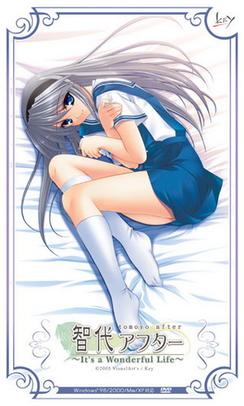
 Tomoyo After: It's a Wonderful Life on PS3
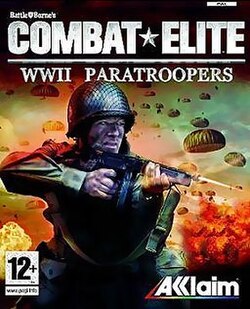
 Combat Elite: WWII Paratroopers on PS2
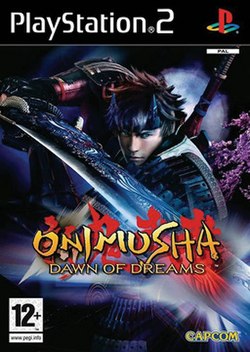
 Onimusha: Dawn of Dreams on PS2
 Disney's Chicken Little: Ace in Action on PS2
 Action Man: Operation Extreme on PlayStation
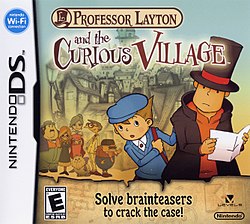 Dark Cloud 2 on PS2
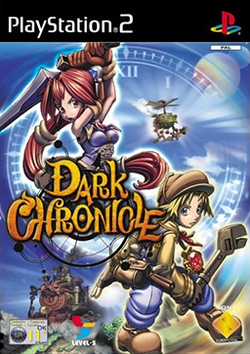 Dragon Quest VIII: Journey of the Cursed King on PS2
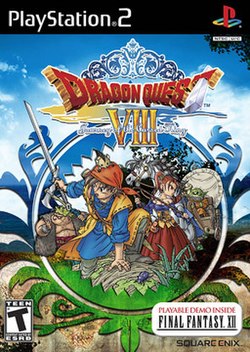 Professor Layton and the Unwound Future on DS
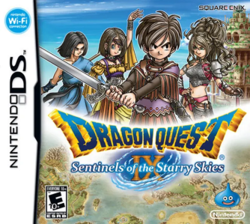
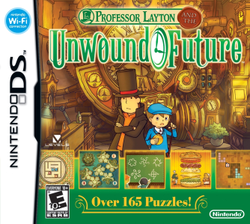 Dragon Quest IX: Sentinels of the Starry Skies on DS
 Inazuma Eleven: Victory Road on Switch 2










 Another SquareThought Site