

 Oct 2019


Trine 4: The Nightmare Prince on Switch is the kind of cozy fantasy romp that wraps puzzle-platform charm in a gorgeous ribbon and then reminds you it can still throw a shadowy monster at your face when you least expect it. Frozenbyte returned to what the series does best: tight 2.5D puzzle-platforming with three lovable protagonists and just enough whimsy to make you forgive any momentary controller tantrums. The game lands on Switch with essentially the same DNA as the earlier entries, only this time it cleaned up its goggles, took a breath, and said yes to more old-school Trine goodness rather than the awkward stretch of Trine 3.
Trine 4 is a physics puzzle playground, and you are handed three different sets of tools depending on whether you are in wizard, thief, or knight mode. Amadeus the wizard plays like a crafty arts-and-crafts teacher with borderline omnipotent glue and cardboard: he conjures boxes, spheres, and planks and can move some objects with telekinesis. Zoya the thief is the parkour-inclined problem solver who can affix ropes to things, use them to swing, immobilize, or create rope bridges, and fires a bow when violence is required. Pontius the knight contributes muscle and theatrical shield posing, deflecting projectiles, stomping enemies, and wading into sword fights like he graduated from the School of Heroic Chest-Beating. Gameplay balances its puzzle bits and combat reasonably well. Many encounters are less about twitch precision and more about engineering elegant solutions: stack a plank here, tether a crate there, use Amadeus to lift that suspiciously placed boulder while Zoya secures a rope so Pontius can pogo-stomp the shadow-beast into the sunset. It tends to reward lateral thinking over brute force, which means the satisfaction of solving a physics puzzle can be big enough to make you cackle like a cartoon villain. The game made a deliberate return to the strictly two-dimensional movement of the first two Trine titles, ditching the experimental 3D step of Trine 3. That choice matters: the controls and puzzle design feel snugger for it. There is also a pleasing lightness to the character progression system that Trine 4 reintroduces. Unlike Trine 3, which left progression by the wayside, this installment brings back optional upgrades you can buy with tokens. Core abilities unlock at set points so the story never stalls, while extra skills give you new puzzle approaches and combat options, encouraging replayability. If you feel like revisiting earlier levels you may discover entirely new solutions to old headaches, turning past triumphs into new 'why didn't I think of that' moments. The pacing is gentle. Some players might wish for teeth-clenching difficulty, but the game prefers to be charming and clever rather than sadistic. That makes it perfect for co-op sessions where three friends sit on a couch and bicker about whose rope was definitely not positioned correctly. Single-player also works well because the game is fundamentally about switching minds, not purely about reflexes. Storywise, the game sends the trio after Prince Selius, a magic-enthusiast-turned-nightmare-magnet who accidentally splits his shadow into a real, physical nuisance. The plot provides a neat framing device for the variety of dreamlike levels the party must navigate, and the side tale Melody of Mystery offers an extra whimsical detour with dream logic and a genie-in-training. The narrative never tries to be Shakespeare, but it gives the characters enough personality and motivation to make rescuing polite woodland creatures and sealing shadowy souls feel worthwhile. Critics noted that while some puzzles are lackluster and there are sporadic technical hiccups, those are small potholes on an otherwise scenic route. IGN praised the return to classic Trine gameplay and called the title 'gorgeous,' while Nintendo Life gave the Switch release an 8 out of 10, and Metacritic lists the Switch score at 80 out of 100.
Trine 4 often looks like a painting you can walk through, and on Switch it still manages to flirt with visual splendor despite the platform's limits. The environments are richly detailed, full of glowing flora, eerie shadow landscapes, and lovingly animated critters that make the world feel alive. The 2.5D presentation lets the developers show off depth-of-field style touches without confusing the fundamental left-and-right movement the genre depends on. Lighting plays a big role, both in mood and in the story, which is fitting given that the plot literally hinges on light making shadows worse when misapplied. On Nintendo Switch the game retains the artistic fidelity that reviewers praised elsewhere. Some technical issues were reported in broader coverage, but the art direction is consistently strong enough that those hiccups feel like grumpy extras at a street festival: annoying in the moment, but not enough to ruin the parade. Overall the visuals pair perfectly with the soothing, occasionally spooky soundtrack and create a warm environment to puzzle your way through.
If you loved the first two Trine games or just enjoy puzzle-platformers that reward clever problem solving with cinematic visuals and a smirk, Trine 4 on Switch is a solid buy. It reestablishes the series' strengths: satisfying physics puzzles, character-switching that never feels gimmicky, and a polished presentation that makes the world feel like a fantasy diorama. The game is not trying to reinvent the wheel; instead it fixes the squeaks the series had and paints the wheel a very pretty color. Critics were generally favorable across platforms, with solid scores from outlets like IGN and Nintendo Life and an 80 on Metacritic for the Switch. The difficulty leans toward approachable, there are optional upgrades to tinker with, and the comedy-light plot serves its purpose without overstaying its welcome. Bring this to a co-op night and you will laugh, bicker, and eventually celebrate when a puzzle bends to your combined cunning. Play it solo and you will enjoy solving contraptions at your own unhurried pace. Either way, Trine 4 proves Frozenbyte still remembers how to make magic with a crowbar of physics and a toolbox of charm. Recommended for anyone who prefers their platforming clever, pretty, and just challenging enough to keep things interesting.
 Trine 2 on PS3
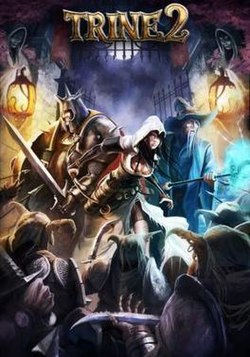 Trine: Enchanted Edition on Switch
 Tintin: Destination Adventure on PlayStation
 One Piece Grand Adventure on PS2
 Onimusha: Dawn of Dreams on PS2
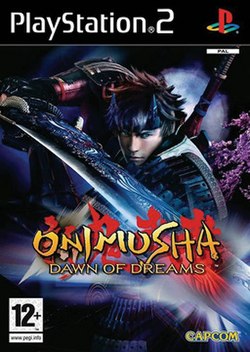 Taiko no Tatsujin: Dokodon! Mystery Adventure on Switch
 Trine on PS3
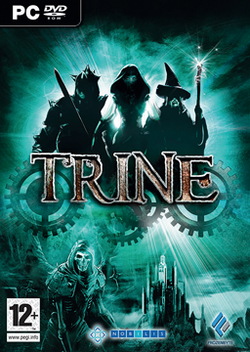 Has-Been Heroes on PS4










 Another SquareThought Site