

 Nov 2018
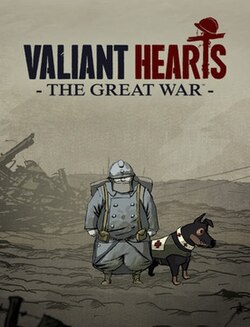

Valiant Hearts: The Great War arrives on Switch with the solemn dignity of a period drama and the approachable patience of a well-meaning teacher who brings snacks. It is a side‑scrolling puzzle-adventure set during World War I, telling a human story through four interchangeable protagonists and a mechanically competent dog named Walt. If you are looking for tanks and twitch shooters, this will disappoint you; if you want something that tries very hard not to be a war game while still being about war, you are in the right place. The Switch version adds touchscreen support and a convenient portability that pairs oddly well with trench warfare vignettes you can play on the bus.
Gameplay is deliberately modest, like a man who decided loud opinions were a wartime extravagance. Valiant Hearts is a side-scroller built around inventory puzzles, light platforming, stealth stretches, occasional rhythm-driven vehicle sequences, and a handful of action beats that sometimes feel like they wandered in from another script. You control four main characters across chapters: Emile (the stoic French grandfather), Karl (the drafted German son-in-law), Freddie (an American volunteer with a talent for getting punched), and Anna (a Belgian veterinary student who doubles as a nurse). Each has unique little toys: Emile digs, Freddie cuts barbed wire, Anna treats wounds with a timing minigame, and Karl brings family-related motivational energy. The real MVP mechanically is Walt, the dog. He squeezes into holes, fetches items, activates switches and performs any small noble acts your human cast cannot. Issuing commands to Walt feels satisfying in the way giving a smart but slightly resentful dog a job does: it solves problems and improves your opinion of the world. Puzzles are generally intuitive and short. They prioritize accessibility over cryptic design, which means you will rarely smash your Switch against a wall in a rage spiral. The hint system gently steps in if you dawdle too long, which some players will love and puzzle traditionalists will call a crime against lateral thinking. The game introduces historical details and mechanics gradually, folding mini-lessons about World War I into gameplay beats so the experience becomes part puzzle, part interactive museum placard. There are rhythm-car chases that break up the contemplation with a little noise: imagine a jaunty sequence soundtracked by classic tunes while you frantically time button presses. There are stealth and survival moments where the tension spikes and your decision to crouch behind a cart suddenly feels morally significant. Then there are the so-called boss encounters-big, clunky set-pieces that critics often found out of place. These can feel frustratingly tacked on, offering a jolt of repetition in a game otherwise favouring quieter puzzle logic. Collectibles are scattered through each chapter. These are not trophies for flexing on strangers; they unlock archival photos, first-hand accounts and historical snippets that the team gathered by visiting trenches and reading letters. If you enjoy the dual brain pleasures of solving a puzzle and then being lectured by history, the game rewards you. If you prefer uninterrupted flow, hunting every collectible can snowball into a pacing nuisance. Overall, the gameplay is intentionally slow, humane and accessible. It refuses to glamorize violence (you cannot go full Rambo even if you try), which makes the rare action moments land harder. The trade-off is replay value: once you know where the puzzle pieces are, there is little incentive to play again. The Switch version smooths the experience with touchscreen support and the obvious benefit of being able to weep quietly about a fictional gas mask scene on a train.
Valiant Hearts dresses its sombre subject matter in the friendliest clothes available: hand-drawn, cartoony visuals powered by the UbiArt engine. The art style is a deliberate choice-comic-book cutscenes, speech bubbles instead of spoken dialogue, and animated expressions that somehow say more with less. The result is disarmingly warm. When the story needs to be tender, the characters animate with charming gestures; when the story needs to be bleak, the palette drains and the same art style becomes quietly devastating. On Switch the game retains its visual fidelity well. The line-art and watercolour-like backgrounds are readable in handheld mode, and the animation remains fluid enough that the emotional cues don't stutter. Sound design and Jason Moran's score deserve a nod: the music tugs the strings without converting your ribcage into a marionette. Speech bubbles perform narrative heavy lifting neatly-useful nod to international storytelling and a clever way to avoid drowning the game in subtitles and awkward voiceovers. A few visual sequences intentionally recycle comic viewpoints to show events happening off-screen, which is a neat storytelling shorthand and keeps the art direction consistent. Details like period uniforms, trenches, and archived photographs in the collectibles demonstrate the team's field research-developers actually visited trenches in France and read soldiers' letters-and it shows in the convincing props and background touches. The only aesthetic misstep is when gameplay demands more mechanical variety than the visuals suggest; boss fights can feel visually mismatched, as if a different game briefly borrowed the art assets and forgot to return the tone.
Valiant Hearts: The Great War for Switch is not trying to be an interactive blockbuster or a textbook; it's more like a tasteful documentary with a heart and a dog. The game succeeds when it keeps its ambitions focused: intimate storytelling, accessible puzzles, evocative visuals and historical context delivered with restraint. It stumbles when it attempts grander gameplay set-pieces, notably the boss encounters that critics and players have flagged as awkward and out of tune. Replay value is low-once you know the puzzle solutions and the emotional beats, the experience is primarily archival-but the first playthrough carries the kind of emotional punch that justifies the ride. If you want a game that teaches you a bit about World War I without turning you into a gory action figure, Valiant Hearts does the job with dignity and some genuinely memorable scenes. The Switch release adds the pleasant practicalities of portability and touchscreen support so you can learn history at home, on a bus, or while pretending to listen to someone at a party. Win awards? It did: Best Narrative at The Game Awards and several nominations and wins elsewhere, which is the industry equivalent of getting a gold star and a small, respectful nod from the past. Recommended for players who prefer feelings to frags and stories to scoring boards. 8/10.
 Helldivers 2: The Ultimate Skill Test — How to Survive When Friendly Fire Is A Feature
 Tiny Toon Adventures: The Great Beanstalk on PlayStation
 Tintin: Destination Adventure on PlayStation
 One Piece Grand Adventure on PS2
 Puzzle by Nikoli 4: on PS4
 Twinbee Taisen Puzzle Dama on PlayStation
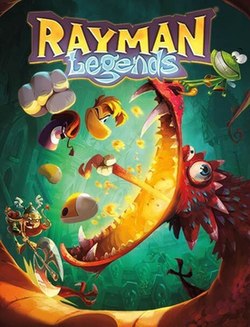
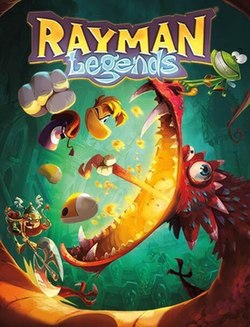 Rayman Legends on Switch
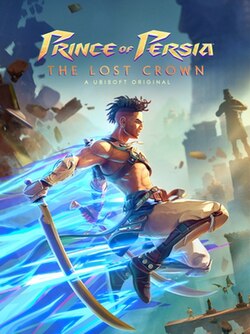
 Prince of Persia: The Lost Crown on PS4
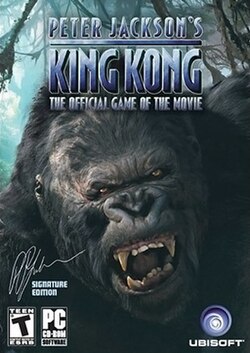
 Peter Jackson's King Kong: The Official Game of the Movie on PS2
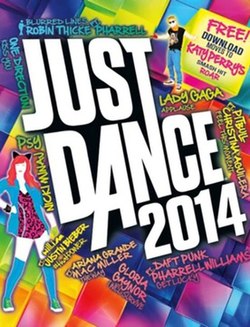
 Just Dance 2014 on PS3
 Just Dance 2014 on PS4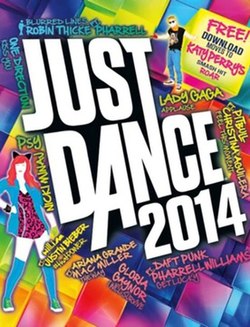









 Another SquareThought Site