

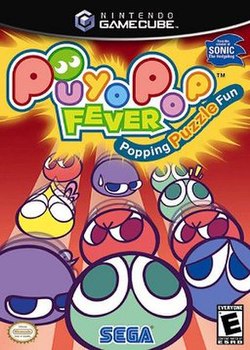

Puyo Pop Fever on the PlayStation 2 is the bright, sugar-coated moment when classic puzzle logic decides to throw a party and invite a marching band. Developed by Sonic Team and published by Sega, this 2003-2004 entry rebooted the Puyo Puyo series for a new generation with a focus on frantic chaining, garbage-throwing smackdowns, and a brand-new gimmick called Fever mode. It's the kind of game that looks harmlessly cute-think colorful blobs with expressive faces-and then makes you seethe with a competitive desire to build a chain so obscene the person sitting across from you questions their life choices. For PS2 owners it also meant 3D-modeled Puyos (yes, the little blobs have been given polygons), a polished presentation, and the same addictive, surgical brain-work that made the series a classic.
At its core, Puyo Pop Fever is gloriously simple and devilishly deep. You play on a 6x12 board and drop pairs of colored blobs-puyos-with gravity doing the heavy lifting. Make a group of four or more adjacent puyos of the same color and they pop, points get tallied, and trash puyos are hurled at your opponent. The twist is that those trash puyos are colorless troublemakers that only vanish when normal puyos pop beside them, meaning they're as passive-aggressive as a villain in a soap opera: they don't do much alone but they wreck your day in groups. The game rewards foresight and geometry. Set up a chain and the above puyos fall to create new matches; a single well-planned placement can snowball into an orchestral cascade of explosions. Chains build score multipliers and, more importantly, send amounts of garbage to the other player's field. If your board fills up from either bad luck or a particularly vindictive rival, you lose-so it's as much about defense as it is about crafting the perfect chain of doom. Fever mode is where Puyo Pop Fever earns its name and turns the match into a theatrical performance. Fill the fever meter by offsetting incoming garbage with your own chains; once full, the game hands you pre-designed puzzle segments and a short timer. Your job is to find the trigger point within these crafted layouts to unleash massive, juicy chains that rain garbage on your foe. Pull off one chain, and another, larger puzzle drops-like leveling up inside a sugar coma-until the timer ends and the battlefield returns to normal. Fever mode encourages pattern recognition and quick thinking rather than raw improvisational skill, which makes it perfect for both newcomers (who get a guided path to gloriously punish opponents) and experts (who can squeeze extra value out of the timed setups). The PS2 version follows the series' multiplayer traditions: local versus play is the main party mode, supporting two or four players in various versions, and it's the ideal way to see friendships tested. There's also an Endless mode that acts as a practice ground and a place to grind smaller challenges; it's not a pure retro mode because some rules mirror Fever's setup, but it's still a handy space to experiment with chains. Story mode provides a light, whimsical narrative: you pick characters-Amitie or Raffine are the main protagonists-and bumble through the mystery of Ms. Accord's missing Flying Cane. The plot is delightfully silly and mostly serves to string together matches against colorful opponents, and Raffine's route has some amusing twists, including a reveal that the cane was never really lost. If you like your puzzles served with a side of anime-style nonsense, the story mode obliges.
The PS2 build of Puyo Pop Fever gives the puddings of doom a mild facelift by rendering the puyos in 3D models rather than old-school sprites used in other ports. This means the blobs have a little extra bounce, reflections, and dimensionality-think of them as cute little jellyfish that got a geometry scholarship. The presentation leans heavily into bright colors, expressive character portraits, and flashy chain animations that explode into satisfying visual chaos when a long combo finally lands. The UI is clean and readable, which matters when you're trying to spot a one-block gap that will determine whether you survive the next garbage drop. On the PS2, the game benefits from RenderWare-powered polish: animations are smooth, load times are reasonable, and the fever sequences get the dramatic camera and particle treatment they deserve. The characters are charmingly illustrated and the cutscenes sprinkle in personality without overstaying their welcome. If you came in expecting cutting-edge console photorealism circa 2004, you'll be disappointed-but if you're after clarity, charm, and poppy visual feedback that celebrates big chains, this version hits the mark. The soundtrack-composed by Hideki Abe and later released as part of a two-game soundtrack-matches the tone with bouncy, upbeat tracks that are as infectious as the gameplay itself.
Puyo Pop Fever on PS2 is not trying to reinvent the wheel; it's trying to make that wheel very, very adorable and then shove it down your opponent's throat. The core mechanics are perfectly tuned for competitive chaos, and Fever mode adds a clever layer that both aids newcomers and spices up matches for veterans. Local multiplayer is where this game truly sings-nothing beats the feeling of watching a mountain of garbage land on your buddy's board right after a cinematic chain you built like a puzzle architect. The PS2's 3D puyos and smooth presentation make it one of the nicer ways to play this installment, and while the game's story is light and mostly optional, it provides enough charm to keep single-player runs entertaining. Critically, the game landed in the 'good-to-great' range on aggregate sites (roughly low 70s on Metacritic for several platforms), and Edge even ranked it among the best games to play for its relentless chain potential. If you own a PS2 and enjoy puzzle games that reward planning, pattern-spotting, and just a pinch of chaos, Puyo Pop Fever is a deliciously addictive pick. It won't eat your soul, but it will eat your free time, your patience with friends, and possibly your dignity when somebody clears a five-chain combo out of what looked like a hopeless, colorful mess. Recommended for parties, for couch rivalry, and for anyone who likes their strategy served in blobs.
 Pop'n Music 14 Fever! on PS2
 Pop'n Music 8 on PS2
 Pop'n Music 9 on PS2
 Puzzle by Nikoli 4: on PS4
 Twinbee Taisen Puzzle Dama on PlayStation
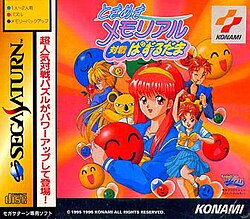
 Tokimeki Memorial: Taisen Puzzle-Dama on PlayStation
 Professor Layton and the Last Specter on DS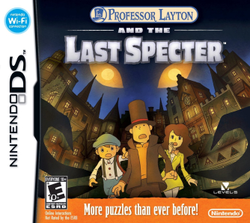
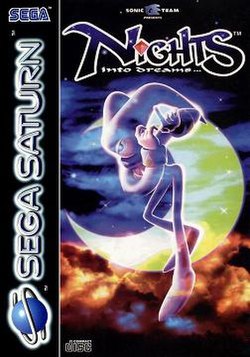 Puyo Puyo! 15th Anniversary on PS2
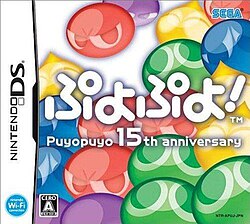
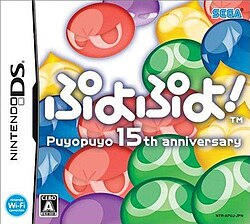 Puyo Puyo! 15th Anniversary on DS
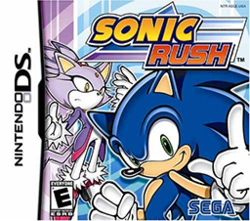
 Sonic Rush on DS
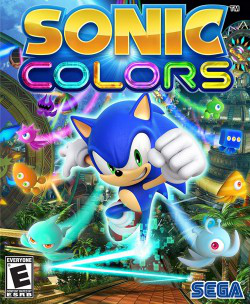
 Sonic Colors on DS
 Sonic X Shadow Generations on PS5












 Another SquareThought Site