

 Jan 2014
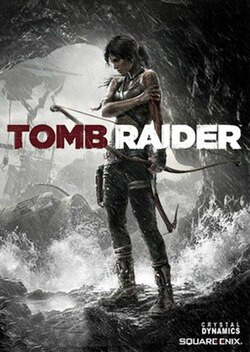

Tomb Raider's 2013 reboot-served up on PS4 as the Definitive Edition-is an origin story that dresses up like a survival-boot camp and occasionally winks at Indiana Jones while elbowing Uncharted out of the way. What makes this Lara Croft reboot interesting from a challenge perspective is how it blends baby-steps learning with progressively hairier tests of skill: the game expects you to graduate from panicked improvisation (build a zipline with an arrow, somehow) to measured, tactical problem solving (survive an ambush without chewing through all your salvage). If you like your gaming lessons served with sand in your hair and a soundtrack that makes falling off cliffs feel cinematic, this is the course. Experienced players will be pleased that the game doesn't hold your hand forever, and newcomers will find an approachable but demanding learning curve that rewards curiosity and ruthlessness in equal measure.
The core loop in Tomb Raider is survival + exploration + incremental mastery, which is where the challenge sits. Early chapters teach you basic traversal-jump, climb, shimmy-and the game's hub-and-spoke structure encourages backtracking with purpose: a rope here, an arrow there, and suddenly a previously unreachable ledge is yours. Those 'Aha' moments are the reward for paying attention to the environment, and the game engineers them so you feel smarter every time you solve one. That said, solving them often calls on a mix of platforming precision, spatial reasoning, and patience. Expect several sections where you need to line up jumps, set up makeshift ziplines by aiming and firing an arrow into a usable anchor point, then manage momentum and camera while Lara sashays-or faceplant-into the water below. Combat is a study in contrasts and requires flexible skill sets. There are slow, satisfying bow engagements where precision aiming and stealth are paramount, and there are brutal, up-close firefights that demand quick reflexes and resource awareness. The bow is the game's greatest classroom: it teaches patience, leading targets, and the importance of conserving ammo. When stealth works, a silent takedown feels like cheating the universe; when stealth fails, you must switch to improvisational tactics-use cover effectively, toggle between weapons quickly, and make heavy use of the game's melee/finishers. Close-quarter combat expects timing for dodges and counters while keeping tabs on salvaged ammo. The game rewards creativity: environmental hazards, explosive barrels and destructible cover can be turned to your advantage if you think fast. Survival Instinct is a neat mechanic that highlights key objects, collectables and paths, but relying on it exclusively robs you of the satisfaction of discovery. Skilled players will learn when to use it and when to shut it off to train their eyes. Similarly, the role-playing aspects-XP for hunting, exploring, and killing-encourage you to diversify your playstyle. Want a stealthy, bow-focused Lara? Hunt animals, nab challenge tombs and spend XP on arrow capacity and stealth bonuses. Prefer a guns-blazing approach? Pump upgrades for firepower and ammo capacity. Managing upgrades and salvaged materials is a light resource-management puzzle: choose permanent improvements that fit how you like to play rather than chasing every shiny upgrade. Challenge tombs are where the game tests your puzzle-platforming chops properly. These optional mini-dungeons mix environmental puzzles, timing-based platforming, and observational problem solving. They are short but clever, and completing them often requires returning to earlier areas with new skills or tools. Expect some trial-and-error here: the tombs assume you'll test, fail, and learn. Quick-time events are sprinkled into intense story beats; their timing-based nature can be twitchy, and succeeding often comes down to focus and split-second reactions. The juxtaposition of trying to feel vulnerable in the narrative while being rewarded for efficient brutality is an odd tonal wobble, but from a pure-skill perspective it means you must be adaptable-sometimes the 'right' move is stealth, sometimes it's shooting everything in sight. Multiplayer exists but was widely considered an afterthought. If you're buying this for competitive thrills, know the single-player challenge is where the meat is. The single-player experience demands a toolkit of skills: precise aim, good timing for QTEs, spatial puzzle solving, resource management, stealth judgement, and enough patience to explore every nook for salvage and side objectives. The best players constantly switch mental modes-trapper, climber, tactician-often within the same encounter. That cross-training is the game's greatest reward.
On PS4 the Definitive Edition looks sharp: native 1080p and a much cleaner presentation than the base-gen builds. The framerate on PS4 is unlocked and tends to hover well, averaging in the high 40s to 50s with dips between 32-60 fps depending on how many trees are exploding in the background. Motion-capture animation gives Lara believable movement and makes traversal feel tactile; when she scrambles, stumbles, or drags herself through mud you can almost smell the saltwater. Environmental detail-crumbling monasteries, storm-lashed beaches, and the mossy interiors of tombs-is excellent, and the lighting does the heavy lifting in setting tension. Jason Graves' score bolsters the mood, turning a cliffside escape into an operatic scramble. There are some rough edges: pop-in can occasionally remind you this is still a 2013 engine doing its best, and physics moments sometimes produce a comedic ragdoll. Those are quibbles in a package that presents challenge scenarios clearly and with cinematic flair, which matters because seeing the hazards is half the skill battle.
Tomb Raider on PS4 is a satisfying blend of survival pressure and exploratory puzzlecraft. The difficulty is never cheap: most challenges are learned via your own failures and then overcome by applying the right mix of patience, aim, timing and resource smarts. If you crave a game that makes you feel like you're improving-becoming a steadier archer, a better climber, a more creative problem-solver-you'll love the way Tomb Raider scales those challenges. The Definitive Edition's visual polish and performance improvements make the experience cleaner and more immersive, though the multiplayer and the narrative's tonal contradictions are minor potholes on an otherwise solid trail. Score-wise, this is an 8.5 out of 10: not flawless, but an enduring, skill-honing adventure that turns getting your butt chewed by a cult into an educational experience you keep wanting to replay.
 The Tomb Raider Trilogy on PS3
 Tomb Raider on PS3
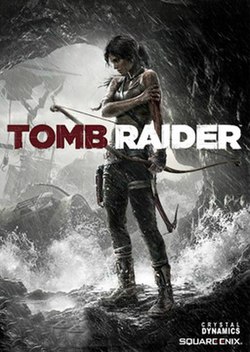 Tomb Raider on PlayStation
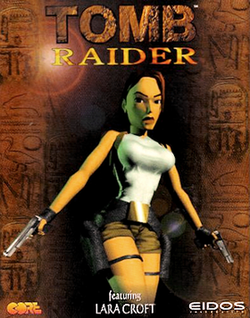 Tintin: Destination Adventure on PlayStation
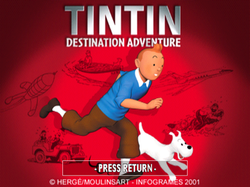 Disney's Chicken Little: Ace in Action on PS2
 One Piece Grand Adventure on PS2
 Taiko no Tatsujin: Dokodon! Mystery Adventure on Switch
 Lara Croft and the Guardian of Light on PS3
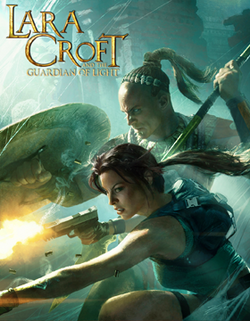 Legacy of Kain: Soul Reaver on PlayStation
 Perfect Dark on Xbox Series X/S
 Walt Disney World Quest: Magical Racing Tour on PlayStation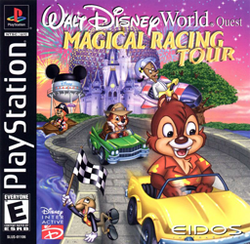









 Another SquareThought Site