



Twisted Metal 2 is the game you play when you are emotionally prepared for a demolition derby conducted by people who have absolutely no plans to return your car. Released for PlayStation in late 1996, it expanded the original's idiotic charm into a globe-trotting tour of vehicular mayhem. The premise is simple and polite in the way that a brick through a window is polite: pick a car, collect weapons, blow up everyone else, and hope your chosen lunatic driver ends up with whatever wish-granting nonsense Calypso is offering this time. The sequel was given more breathing room than its predecessor - 16 months of development, which in game-time is roughly the difference between 'rushed' and 'rushed with a bigger budget for explosions.' SingleTrac and Sony Interactive Studios America shepherded the project, and the result was a PlayStation hit that sold over 1.7 million copies in the U.S. alone. Critics liked it more than they liked being polite about it; aggregate scores for the PlayStation version ran high, while the later PC port limped in with considerably less grace.
Twisted Metal 2 dresses up as a demolition derby and then refuses to play by any known rules of civilized racing. Instead of laps and polite handshakes, you get arenas scattered across the globe: the husk of Los Angeles, snowy Antarctica, Amazonia jungle, Paris, Moscow, Hong Kong, the Netherlands, and New York - the sort of world tour where the souvenirs are automotive carnage and the stamps are skid marks. You pick from a roster of unhinged vehicles and drivers, each with their own special weapon and backstory that ranges from 'tragically motivated' to 'trouble with clowns, very loud.' Gameplay is arcade-first: there are pickups for weapons, health, and various bonuses, and the objective is always the same - be the last vehicle standing. If that sounds repetitive, it is, but repetition is the point when the repetition involves rocket launchers, homing missiles, and a clown who drives an ice cream truck and will ruin your Tuesday. Modes include single-player tournament/story mode, two-player duel, and co-operative play through the tournament. The co-op twist is charmingly nihilistic: if two players finish the campaign together there is no ending. Consider that a narrative punishment for not betraying your partner. Two-player head-to-head matches are the game's real argumentative core; reviewers repeatedly noted that the multiplayer is where Twisted Metal 2 shines, turning living rooms into places where friendships are politely demolished. Structure-wise, the single-player campaign strings together increasingly complex stages. Levels are larger and more intricate than in the original, which critics agreed improved the experience: there are more routes, more verticality, and more things for your car to collide with when you inevitably run out of health. There are also boss encounters - such as Minion in Amazonia and the flaming-headed Dark Tooth in Hong Kong - that break up the pattern and provide cinematic ways to lose spectacularly. The PC version, which arrived later, trimmed some of the PlayStation visuals and added modem/Internet multiplayer - an interesting thought experiment in ancient online gaming that inevitably involves lag and the nostalgia of dial-up tones. The PlayStation release is the definitive one, and everything that made the series notorious - dark humor, loud music, and neat little moments of emergent chaos - is on display.
Graphically, Twisted Metal 2 is an honest relic. Opinions at the time were split: some outlets declared that the sequel didn't really improve on the original's look, while others appreciated sharper textures and reduced clipping. If you are judging it by modern standards, it looks like someone tried to render a hellscape using Lego and a handful of pixels. Buildings are often featureless, textures repeat like a bad joke, and you'll see pixelation when you get too close to walls. Next Generation and a few more forgiving reviewers pointed out frame rate improvements and cleaner textures compared to the first game, which is true if you squint in the right light and ignore the occasional wall-induced breakup. That said, Twisted Metal 2's visuals carry a tone that suits its personality. The environments - from frozen wastelands to neon-drenched cityscapes - are atmospheric in the way a cheap Halloween decoration is atmospheric: rough edges, ambitious silhouette, and somehow effective. The camera and controls occasionally conspire to make you invent new swear words, but the spectacle of watching a flamethrower melt an opponent's drivetrain never loses its appeal. The PC port sacrificed some of that PlayStation polish and returned mixed review scores as a result, but the core visual identity remains intact: aggressive, slightly crude, and unapologetically gory in a way that's oddly satisfying.
If you're looking for a thoughtful, nuanced automotive simulator where tire wear and gearbox ratios matter, this is not your game. If you're looking for a rowdy, unapologetic playground of vehicular violence with memorable characters, absurd weapons, and levels designed for mayhem, Twisted Metal 2 is exactly the sort of unapologetic, grease-scented joy you need. The sequel improved on its predecessor in meaningful ways: larger maps, a better cast of characters, and multiplayer that can humanely end friendships in 30 minutes or less. Critics were divided on the visuals, but agreed that the gameplay - particularly the two-player mode - is what saves and makes the game. It earned respectable critical praise and solid sales, and it still holds up as a time capsule of mid-'90s console chaos. Re-releases and ports over the years have kept it available for nostalgic visits, and whether you call it a masterpiece or merely a glorified demolition derby, it remains one of the most enjoyable ways to set the world on fire with a stolen ice cream truck. Score: 8.6/10 - recommend for anyone who enjoys explosions, ridiculous special moves, and the therapeutic release of honking through a collapsing cityscape.
 Twisted Metal on PS3
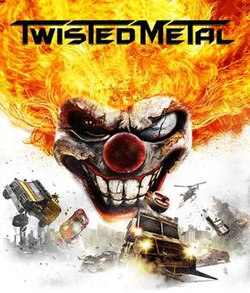 Twisted Metal on PlayStation
 Twisted Metal: Small Brawl on PlayStation
 Project Awakening on PS4
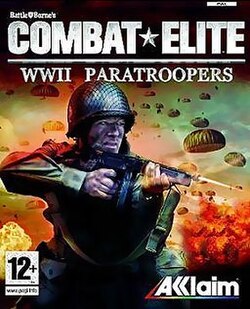
 Combat Elite: WWII Paratroopers on PS2
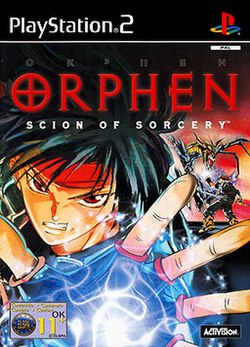
 Orphen: Scion of Sorcery on PS2
 Monster Hunter Stories 2: Wings of Ruin on Switch












 Another SquareThought Site