

 Mar 2026
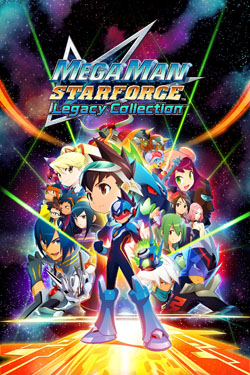

I remember when handheld gaming still smelled faintly of battery acid and optimism. The original Mega Man Star Force trilogy arrived on the Nintendo DS in the mid-2000s as a younger sibling to the Battle Network experiments: half JRPG, half card-battling fever dream, and all of it beaming through two small screens. Capcom's Mega Man Star Force Legacy Collection bundles those experiments - Pegasus, Leo, Dragon, the two Zerker pairings and the Black Ace/Red Joker twins - into a single package that aims to be both museum and arcade cabinet. On Xbox One this is less a time capsule than a polished display case, complete with catalog cards, rearranged music, and new voiceovers. The collection feels like a careful restoration by someone who respects the original paint job, but also decided the lighting needed a bit more flair. This release collects all of the Star Force entries (seven game files if you count the original multiple-version releases) and dresses them up with modern conveniences: single-screen adaptations of the DS dual-screen layouts, adjustable screen configurations, smoothing filters, and the sort of difficulty and assist toggles that make older design choices less punishing. It's a package squarely aimed at fans and curious newcomers alike, offering nostalgia without insisting you relearn frustration in the name of authenticity.
At its core the Star Force series is the same odd and lovable hybrid it always was. You play Geo Stelar, a teen who merges with Omega-Xis and transforms into Mega Man to fight EM wave-based threats while juggling school-life beats and an ever-expanding deck of battle cards. Combat is realtime-ish but structured: you skate along lanes, dodge attacks and unleash attack cards to exploit elemental weaknesses. The battle-card mechanic remains the franchise's raison d'etre, and this collection treats it with visible respect. All the original variants are present: Pegasus/Leo/Dragon for the first game, the Zerker pairs for the second, and the Black Ace/Red Joker split for the third. That means seven playable cartridges' worth of content, and for completionists that's a banquet. Modern comforts are where the Legacy Collection becomes fun without being cruel. The awkwardness of converting two screens is handled well: layout options let you favor widescreen play or a compact, vertically stacked presentation. A smoothing filter is available for those who prefer the softer edges of upscaled sprites. Beyond presentation, Capcom has added several accessibility options: auto-save, adjustable enemy encounter rates, and even a mode to multiply Mega Man's defense and damage. These are sensible additions; they don't rewrite the combat, they let you choose whether you want to suffer for boss drops or breeze through to the next story beat. Multiplayer and card-trading return, albeit in a modern dress. You can trade cards online and match up in ranked or casual battles, and Capcom has resurrected the series' "Brother Band" idea with a friends list that can hold up to 100 players. It's a nice nod to the original social hooks, although cross-platform play is absent - a disappointment for those hoping to throw cards across consoles like digital confetti. Bonus cards, including event-only or toy-exclusive content from the original releases, are unlocked here too; the Lunar Knights crossover that was cut from the English release has been restored, which will make collectors and completists very happy. For newcomers the collection offers a gentler ride than the DS originals. The assist options and re-arranged music give the franchise a modern coat of paint without masking its sometimes repetitive pacing. If you enjoyed the mix of story-driven JRPG pacing and quick, tactical skirmishes you'll find a lot to like. If you disliked the grind or the occasional impossibly spiky boss, the new difficulty toggles make those memories optional rather than mandatory.
It's worth noting the peculiarity: Capcom lists the RE Engine as powering this collection, which reads like an invitation to expect photo-real metal and existential lighting. In practice this is a retro-appropriate upscaling job with tasteful presentation choices. The original DS sprites and backgrounds have been preserved, then cleaned up, filtered and framed for modern displays. The smoothing filter softens pixel edges and the adjustable layouts mean you aren't fighting awkward pillarboxing or cramped UI. New art additions such as gallery material, alternate menu navigators (including Geo and Omega-Xis as pre-order bonuses), and updated voiceovers add production sheen. The voice work - with cast members from the anime reprising roles - is a welcome surprise; hearing the characters speak in longer, clearer lines enriches the often earnest if sometimes adolescent script. The art gallery and music player are thoughtful inclusions, and the ability to toggle between original and newly rearranged soundtracks is properly civilized: crank the remixes for a modern adrenaline shot or go classic when you need the nostalgia hit.
If this review were a high school yearbook entry, Mega Man Star Force Legacy Collection would be the student who never quite stopped loving science fiction but learned to respect ergonomics. Capcom has done a solid job of bringing the DS weirdness into the living room without betraying what made the originals distinctive. The seven-game lineup is generous, the quality-of-life options are well chosen, and the extras - bonus cards, restored crossover content, galleries and re-recorded voice work - show genuine care. It is not flawless. The decision not to enable cross-platform play is a baffling missed opportunity in 2026, and a collection of DS-era RPGs will never shake some of the pacing and repetition inherent to its design. Still, for fans, collectors and anyone curious about this branch of the Mega Man family tree, this Legacy Collection is a recommended visit. On Xbox One it runs cleanly, presents the games with respect, and leaves you with the sense that Capcom remembered why kids loved beeping handhelds in the first place. Score: 7.5 out of 10 - a solid revival that favors preservation and playability over unnecessary reinvention.
 Mega Man X Legacy Collection on Xbox One
 Mega Man Anniversary Collection on PS2
 Combat Elite: WWII Paratroopers on PS2
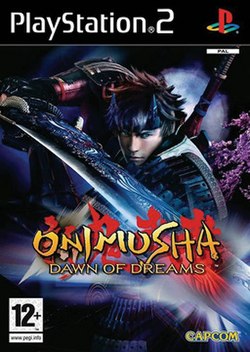
 Onimusha: Dawn of Dreams on PS2
 Disney's Chicken Little: Ace in Action on PS2
 Tokyo Xanadu eX+ on PS4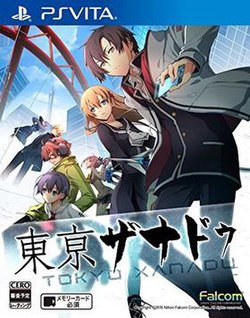
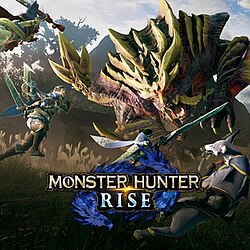
 Monster Hunter Rise on Switch
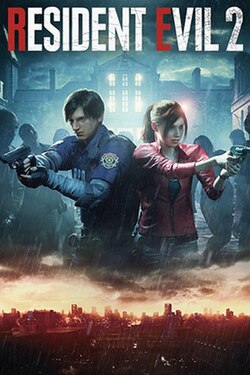
 Resident Evil 2 on PS4
 Ultra Street Fighter IV on PS3
 Street Fighter 6 on PS4
 Resident Evil 7: Biohazard on PS4










 Another SquareThought Site