

 Jan 2022
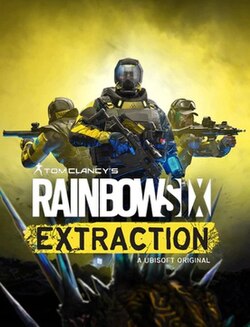

Tom Clancy's Rainbow Six Extraction arrives like a medical textbook written by someone who moonlights as a horror novelist. It takes the tactical DNA of Rainbow Six Siege, injects it with alien parasite nonsense, and asks you and two friends to politely tiptoe into containment zones while occasionally screaming into your controller. On the PS4, Extraction is the version most people will play when they want their tactical shooter with a side of existential dread and very limited ammo. The premise is simple: you are part of REACT, a team of familiar Siege operators repurposed for co-op missions against the Archæans, an alien threat that could be described as vaguely hostile and very pointy. The game is built around short, bite-sized incursions made of three linked sub-maps. You either complete objectives and exit with your operators intact, or you test the game's missing-in-action system and adopt an unplanned game of rescue mission musical chairs.
Extraction's gameplay is a careful balancing act between planning and panic. Matches (called incursions) are procedural, which means the objective placement and enemy spawns shift enough to keep you from memorizing a safe path - helpful if your idea of fun is mild paranoia. Each incursion hands you a random objective in each of its three connected maps: collect samples, hack computers, gather intel. The thrill comes from the choice the game politely forces upon you: extract and bank your rewards like a responsible adult, or push on into the next, nastier sub-map for sweeter loot and a higher chance of sobbing into the revive screen. There are eighteen operators to pick from, each carrying the baggage of their Siege kits. Pulse has his heartbeat sensor, Alibi deploys holographic decoys, and others bring gadgets that create scenarios where teamwork is less optional and more a contractual necessity. The core loop is stealthy and cautious. Health does not regenerate, and supplies are scarce, which makes firefights feel like bad investments. Standing on the sprawl - a calcified lime that the aliens decorate the floors with - slows you down and boosts enemy power, but shooting it back can clear a path. The game rewards restraint: make noise and an Archaean shrieks, summoning complications. That shriek is Extraction's equivalent of a social faux pas; it's loud, attention-grabbing, and hard to recover from. If an operator drops, they become inactive or missing in action until you mount a dedicated rescue. This creates genuine tension as you debate whether to risk further glory for the chance of saving a favored character, or to extract with your dignity and fewer medals. Extraction borrows Siege's tactical trappings - drones, reinforced doors, shooting through walls - and places them in a PvE setting. The ping system is still here, which is handy if you prefer multi-player cooperation without whispering tactical novels into voice chat. Enemy variety exists: standard Archæans are joined by spikers that shoot razor bits and rooters that slow you down. On higher difficulty settings the game can feel merciless, and several critics noted balance issues when the difficulty curve decides to be dramatic. Progression is present and satisfying: there is a reason to go back, though repeated incursions can sometimes blur into repetitive territory. The developers intended Extraction as a safer entry point for new players who might find Siege's PvP a little like being judged by a particularly unforgiving law school dean. Whether it's safe or just safe-ish depends on how attached you are to your operators.
Extraction looks good when it isn't busy trying to terrify you. The art direction gets complimented a lot because it manages to be moody and functional at once: containment zones have that clinical horror vibe, and the Archæans are designed with enough personality to be memorable (and a little gross). On the PS4 the AnvilNext 2.0 engine does a competent job of rendering sprawl-covered corridors, weapon effects, and the occasional violent decomposition of strategy. Performance is stable most of the time, though this isn't a showcase of next-gen glitz. Details like lighting and environmental cues matter more here than flashy textures; a shadow might mean a sneaky enemy or simply a sad black patch on the floor, and that ambiguity is often used to good effect. Several outlets praised the visual design even as they grumbled about AI and level variety. So yes, it looks like a game that knows how to be ominous without trying too hard, which is a rare and useful skill in the era of digital screams.
Rainbow Six Extraction is an oddduck of a game: methodical where you expected mayhem, tense where you expected a firefight, and occasionally repetitive where you hoped for variety. It borrows Siege's mechanics wisely and sometimes less wisely, translating operator toys into co-op situations that reward careful play. The extraction mechanic itself is a highlight - the decision to leave or press on adds a layer of thriller logic that produces genuine nail-biting moments and, occasionally, real comedy when friends perform coordinated collapses. Critics were mixed for good reasons: the game is polished, tactical, and dramatic in short bursts, but it also leans on familiar formulas and can feel conservative in its ambitions. If you like tactical shooters and want a cooperative experience that treats stealth and resource management as polite suggestions rather than optional extras, Extraction is worth the PS4 time. If you expected a revolutionary overhaul of the Rainbow Six formula, prepare to be mildly satisfied instead. I'm giving Extraction a 7 out of 10: dependable, occasionally tense, and oddly comforting in its precise kind of panic. Also, three million people did turn up in week one, which proves humans will try anything once - including running toward screaming aliens for fun.
 Tom Clancy's Rainbow Six Siege on Xbox Series X/S
 Tom Clancy's Rainbow Six: Siege on PS4
 Tom Clancy's Rainbow Six: Vegas on PS3
 Tom Clancy's Rainbow Six: Vegas 2 on PS3
 Raid: World War II on PS4
 Modern Combat 5: Blackout on Switch
 PixelJunk Shooter 2 on PS3
 Prince of Persia: The Sands of Time on PS3
 Assassin's Creed: Brotherhood on PS3
 Assassin's Creed II on PS3
 Far Cry 3 Classic on PS4
 Assassin's Creed: Origins on PS4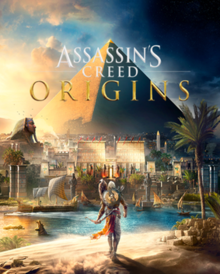










 Another SquareThought Site