



The Dog Island is the sort of game that walks into a room wearing a sailor hat and a wagging tail and immediately asks for your trust. On the surface it's a gentle adventure about a dog trying to save their sick younger sibling by finding a mythical flower. Underneath that floppy-eared veneer is a surprisingly earnest story about responsibility, exile, and learning to listen - which, narratively-speaking, is exactly what a sniff-heavy dog protagonist should excel at. If you're the kind of person who thinks emotional arcs are better when fur-covered, this game's plot and cast will hit you square in the heart (and maybe on the paw). The PlayStation 2 version relies on traditional controller movement rather than the Wii's pointer waggling, and that more conservative control setup suits its slow-burn storytelling and deliberate pacing.
The Dog Island wraps its character drama in accessible, slightly old-school adventure mechanics. You control a dog who can walk, run, crawl and bark - the last of which doubles as your primary defensive tool. Barking behind an enemy stuns them; holding the button long enough produces a howl that neutralizes them indefinitely until you leave the area. It's a charmingly literal approach to combat: vocal intimidation rather than teeth. You start with three HP and gain upgrades up to eight as the game unfolds - a neat mechanical metaphor for the protagonist getting stronger emotionally as well as physically. Sniffing is the game's heart and the primary way it ties story to gameplay. The sniff-and-dig system uses on-screen indicators to separate plot-critical finds from miscellaneous treasures, nudging you toward exploration without turning every search into tedious busywork. Many quests are fetch-oriented: dig up vegetables, find a missing item for an NPC, or fish and catch insects in short minigames. The mini-collect-a-thon nature of these tasks is softened by an in-game encyclopedia and a bone-based currency system: catalog an item or trade animals for bones, then spend those bones on healing items, accessories, and clothing. Inventory limits and storage chests add mild strategy to what you'd otherwise write off as a pastoral fetch-'em-up. Hubs such as Pupsville act as narrative and mechanical waypoints. You can sleep to refill HP (free at home, paid elsewhere), save via mailboxes, and store items. Boris, the ubiquitous courier NPC, becomes a narrative convenience and a gameplay one: for a bone fee he ferries you between cleared locations, which neatly justifies fast travel in the world's logic and allows story beats to unfold in digestible increments. Crucially, many of these tasks are tied to the main character's arc of becoming a "sniff master." You don't just perform errands for the sake of grinding; helping fellow dogs fuels the growth of the Anc Tree, a literal manifestation of the island's natural health and the protagonist's moral development. The sniffing masters - Yi Lu, Rode, and finally Grand Master Tao - are a training montage disguised as NPC encounters. Each mentor gates progress mechanically (new sniff skills, medals, access to ruins) and thematically: with each lesson the protagonist refines their relationship with nature, which is the emotional core of the quest to revive the Legendary Flower. The endgame-retrieving the Stone of the Heavens in Kunka Ruins and staging the Star Festival-blends dungeon crawling with a community-driven payoff; all those small favors and sniffed-up trinkets coalesce into a genuinely satisfying narrative currency. Combat remains simple and rarely threatens to steal the spotlight from story beats. Enemies include snakes, gorillas, bears and bats - a bestiary that reads like someone made a nature documentary after a particularly strange picnic. Status ailments (poison, shock) add brief tactical considerations, and the game's checkpoint/save design keeps frustration low: death sends you back to your last save point, not to a cruelly distant boss room. The PS2 controls are precise and unobtrusive; if anything, the game's measured pace benefits from the steadiness of an analog stick rather than motion controls. The game spans 23 locations, from the cozy Pupsville to the foreboding Kunka Ruins and the tranquil Ancient Grove. Occasional points of no return in late-game dungeons keep stakes real and force you to live with your choices, which is bracing for such a mellow title. A letter system for side tasks in Pupsville gives the world continuity and makes the NPCs feel less like quest-check icons and more like residents of a living village.
Graphically, The Dog Island wears its PS2-era origins like a sun-faded bandana: not cutting-edge, but undeniably cute. Character models are low-to-mid poly, but the art direction compensates richly. Dogs, villagers, and Anc creatures are designed with exaggerated, emotive features that make every tail wag or sideways glance readable - a big help when the player character, largely silent, needs the rest of the cast to carry the emotional freight. Environments are lovingly constructed despite texture and draw-distance limits. Pupsville feels warm and safe; Kunka Ruins lean on shadow and architecture to produce a pleasingly spooky mood; Ancient Grove communicates reverence through soft lighting and floral motifs. The Legendary Flower's wilted-then-rejuvenated visuals do a lot of storytelling for free: before the festival it's droopy and muted; after the island reconnects with nature, it blooms with a simple but effective color pop. Small animations - a wag, a sneeze, a fallen leaf - pepper the world and lend a pastoral charm that often outperforms the raw technical specs. If you're expecting realistic fur simulation and cinematic lighting, you'll be disappointed. The PS2's limits show in repetitive textures and occasional pop-in. At times the camera can be stubborn, especially in tight ruin corridors, and animation loops are sometimes obvious. Still, the overall presentation leans into its strengths: expressive characters, readable silhouettes, and a palette that favors comfort over photorealism. It's the difference between an indie watercolor and a glossy magazine photograph - and for this story, the watercolor suits the tone.
The Dog Island is an odd little treasure: earnest where it could have been whimsical, mechanically simple where it could have been bloated. Its real power is in the characters and the way the game turns small, everyday kindnesses into a literal restoration of the world. The protagonist's arc - from worried sibling to sniff master and community unifier - is quietly effective because the game never tries to sell it as epic; its stakes are domestic, personal, and oddly profound. Petasi's exile-and-redemption subplot is a surprisingly deft meditation on belonging, while the return of Doluk in the post-credits scene manages to be both silly and emotionally satisfying. This is a game better appreciated by those willing to move at a slower pace and to enjoy NPC interactions as more than checklist fodder. Combat and challenge are minimal; if you want edge-of-your-seat tension, look elsewhere. If you want a warm, character-driven adventure about responsibility, nature, and the occasional therapeutic howl, The Dog Island will scratch that itch. It's not perfect: the PS2 visuals show their age, and some fetch quests wear thin. Reception at release was mixed, and that's fair - the game asks for commitment to its tone and rewards players who give it time. I gave it a 6.5/10: a slightly above-average, heartfelt experience that's easiest to recommend to dog lovers, fans of cozy adventure games, or anyone who believes that a good sniff is the key to understanding the world.
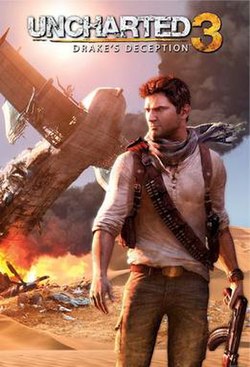
 Uncharted 3: Drake's Deception on PS3
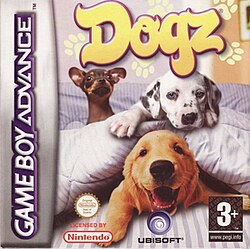
 Dogz on DS
 Tintin: Destination Adventure on PlayStation
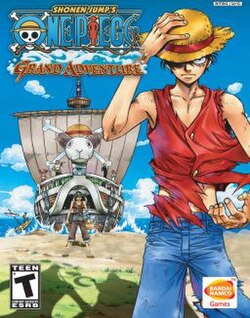
 One Piece Grand Adventure on PS2
 Taiko no Tatsujin: Dokodon! Mystery Adventure on Switch
 Taiko no Tatsujin: Don to Katsu no Jikū Daibōken on Switch
 WWE '13 on PS3
 UFC 2009 Undisputed on PS3
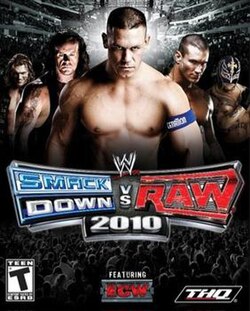
 WWE SmackDown vs. Raw 2010 on PS3
 UFC Undisputed 2010 on PS3
 Earth Defense Force: World Brothers on PS4












 Another SquareThought Site