

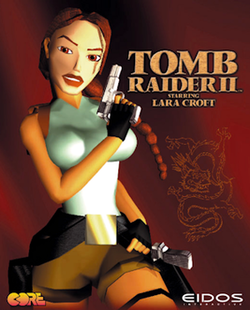

Tomb Raider II arrives like a postcard from the late 90s: oversized levels, dramatic cutscenes, and a heroine with an impossible ponytail who owns more action chops than a Hollywood stunt department. It's a direct sequel that treats its lead character, Lara Croft, not as a branding exercise but as a functioning myth - the sort of globe-trotting protagonist who reads a dusty manuscript on Monday and kicks cultists off a snowmobile by Wednesday. Where the first game introduced Lara as an archaeological MacGyver, TR2 leans into storybook stakes: a magical Dagger of Xian that can turn mortals into dragons, an Italian cult called the Fiamma Nera obsessed with ritual and bad decisions, and a personal battle between obsession and restraint. The plot is unabashedly pulpy, and the characters range from stoic monks to melodramatic cult leaders. The game's real charm is how its personalities carry the levels; the plot is the string and the characters are the ensemble that tugs it into memorable moments.
This sequel keeps the movement vocabulary of the original - platforming, grid-based movement and tank-like controls - but adds a lot of toys and tension for the express purpose of putting characters into interesting situations. Lara's moveset (run, walk, shimmy, climb, swim, and an expanded range of jumps) is designed to make player actions feel like a logical extension of her personality: bold, a little reckless, and competent when the set dressing turns lethal. The world building is level-driven and character-focused; the Great Wall sequence isn't just a wall to climb, it's the dungeon entrance to a long-running flirtation between Lara's curiosity and the Fiamma Nera's fanaticism. Enemies shift the tone from lonely tombs to contested spaces. Human opponents populate cities and operatic set-pieces in Venice and onboard an oil rig, giving the confrontations a cinematic feel-this is not merely about avoiding traps, it's about outthinking other people who want the same artifact. The game balances an inventory of limited-ammo weapons (shotgun, Uzis, M16, grenade launcher, harpoon for underwater moments) with Lara's infinite dual pistols, which function as both a gameplay safety net and a way to signal danger without turning the experience into a run-and-gun. The inclusion of windows you can break to create alternate routes is a small design flourish that reflects the game's emergent story logic: environments yield to Lara's resourcefulness. Vehicles - a speedboat in Venice and a snowmobile in Tibet - are integrated not as novelty but as set-pieces that change how trades of dominance between Lara and her human adversaries play out. They make chase sequences feel like narrative beats: a hurried escape, an immediate consequence of Bartoli's plot. Zip lines, wading, climbing, timed traps and the even the corner-boost glitch (left in the game and later embraced by designers as a speedrun feature) all tweak the pacing so that characters can have cinematic one-on-ones. Lara's arc in gameplay terms is a learning curve: the game assumes you know the basics, then layers combat, traversal, and puzzle solving until every mission feels like a personal chapter in a larger biography. Save-anywhere functionality is merciful given the difficulty curve; TR2 is famously unforgiving from the outset. That difficulty supports character stakes - failure has consequences, and Lara's survival becomes a statement about the player's investment in her. Secrets also feed into the lore: collect Silver, Jade and Gold dragon tokens to unlock caches and narrative-adjacent rewards. These collectibles aren't just padding; they are breadcrumbs that make the world feel curated and lived-in, as though Lara's legend had been pre-placed for her by the designers.
Graphically, TR2 was a clear step forward for its time: Lara's model gains more polygons, a ponytail that flutters like it knows it's famous, and wardrobe changes that answer the environment (you don't swim Venice in a tuxedo). The engine is essentially the original, but Core Design polished the camera and added outdoor spaces, clearer transparencies on PlayStation hardware, and larger scale set dressing. Critics at the time noted the environments could look rough at close range, but the trade-off was scale: enormous opera houses, the hulking skeleton of the Maria Doria, and the Barkhang Monastery's claustrophobic interiors were designed to dwarf Lara and emphasize the story stakes. The visual language is deliberately theatrical - gargantuan vaults, impossible proportions, and stage-set vistas that underscore the pulp adventure tone. The cutscenes and character designs support the narrative arcs. Marco Bartoli's slick villainy reads well in FMV and in-engine moments; his seafaring ties (the Maria Doria) and final self-stabbing with the Dagger are staged to maximize melodrama. Small design notes, like the monk who dies preventing Bartoli from taking what he shouldn't have, render the world more than a sequence of puzzles: they create a moral geography. The much-discussed epilogue at Croft Manor - a domestic stage where the Fiamma Nera launches a last-ditch attack - plays visually as an inverse of the global chase, consolidating the conflict into a personal space. The infamous shower scene that ends with Lara breaking the fourth wall is cheeky and deliberately reactive: Core Design was answering fan myths with a wink, not with the sort of gratuitousness a modern audience might fear. Later remasters have cleaned textures and camera behavior, but the art direction still leans on the original's strengths: bold silhouettes and theatrical set pieces that match the characters' outsized motivations.
If you come to Tomb Raider II expecting a quiet archaeological sim you'll be disappointed; if you come expecting a pulpy adventure where the characters are mostly responsible for going places and setting things on fire, you'll be in hog heaven. Lara Croft's arc here is subtle and satisfying: she remains the curious treasure-seeker from the first game but is tested against an antagonist whose arc is the inverse of hers. Marco Bartoli's obsession is a simpatico mirror to Lara's curiosity - where Lara seeks knowledge, Bartoli seeks control, and the Dagger of Xian is the narrative fulcrum that bends one into a dragon and nearly breaks the other. That the monk dies to protect a secret and that cultists escalate their fanaticism across Venice, an oil rig, and the Tibetan foothills gives the game a consistent throughline of hubris versus restraint. Mechanically and narratively, Tomb Raider II refines its predecessor in ways that matter: larger levels, better pacing, vehicles that function as story tools, and combat that responds to criticism of the first game. It can be brutally hard, especially early on, and some environmental textures age worse than others, but both the challenge and the visual rough edges are part of its character. The butler-in-the-freezer bit remains one of gaming's most delightful easter eggs - a tiny human detail that adds warmth and levity to a globe-trotting epic. For players who want character-driven set-pieces, TR2 still delivers. It's a time capsule of a design era when sequels were expected fast and big, and Core Design responded by widening the emotional and physical scope of Lara's world. The result is not just a larger Tomb Raider game, it's a larger Lara Croft: more confident, more cinematic, and improbably human in the face of dragons. Recommended for anyone who enjoys an adventurous protagonist, an antagonist with commitment issues (to mortality), and a game that remembers to have fun while it's kicking open ancient doors.
 Tomb Raider on PS3
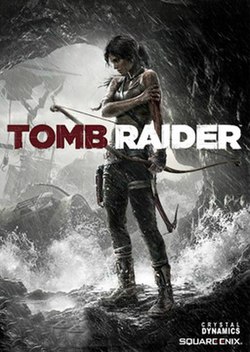 Tomb Raider on PlayStation
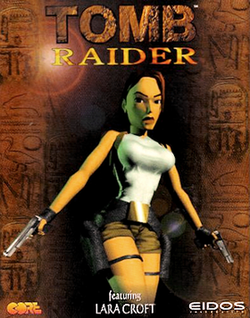 Tomb Raider I–III Remastered on Switch
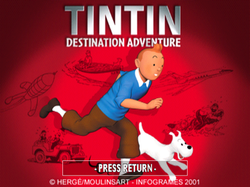
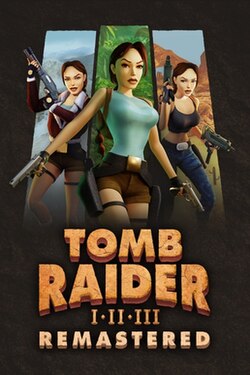 Tintin: Destination Adventure on PlayStation
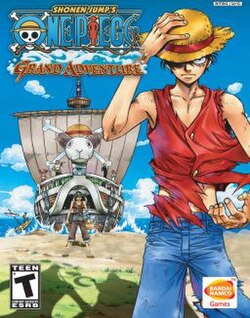
 One Piece Grand Adventure on PS2
 Taiko no Tatsujin: Dokodon! Mystery Adventure on Switch
 Onimusha: Dawn of Dreams on PS2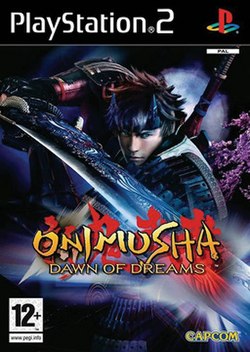
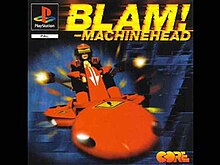
 Machine Head on PlayStation
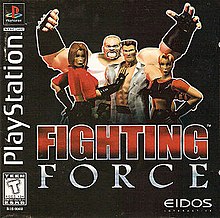
 Fighting Force on PlayStation
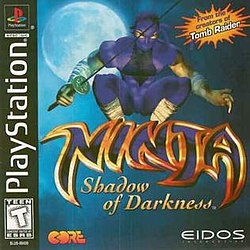
 Ninja: Shadow of Darkness on PlayStation
 Fighting Force 2 on PlayStation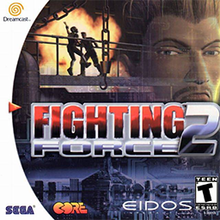












 Another SquareThought Site